Zuletzt erschienen
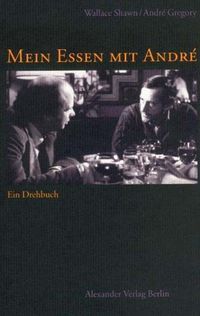
Mein Essen mit André
Der romantische Mystiker André und der mit beiden Beinen auf der Erde stehende Pragmatiker Wally repräsentieren zwei völlig
verschiedene Betrachtungsweisen des Lebens und des Theaters, zwei unterschiedliche Stränge im Leben Amerikas in den 60er und 70er Jahren. Sie diskutieren ihre Positionen während eines guten
Essens. Keiner läßt sich von den Argumenten des anderen überzeugen. Während Wally sich durch die Alltagsrealität New Yorks kämpft, ist André für fünf Jahre ausgestiegen und hat der von ihm verachteten Gesellschaft den Rücken gekehrt.
Eine der Schlüsselfiguren während dieser Zeit war der polnische 'Theaterguru' Jerzy Grotowski.
Mehr erfahren
verschiedene Betrachtungsweisen des Lebens und des Theaters, zwei unterschiedliche Stränge im Leben Amerikas in den 60er und 70er Jahren. Sie diskutieren ihre Positionen während eines guten
Essens. Keiner läßt sich von den Argumenten des anderen überzeugen. Während Wally sich durch die Alltagsrealität New Yorks kämpft, ist André für fünf Jahre ausgestiegen und hat der von ihm verachteten Gesellschaft den Rücken gekehrt.
Eine der Schlüsselfiguren während dieser Zeit war der polnische 'Theaterguru' Jerzy Grotowski.
Buch (Taschenbuch)
15,00€