Beschreibung
Produktdetails
Einband
Gebundene Ausgabe
Erscheinungsdatum
01.06.2006
Abbildungen
w. figs., 1 col. plate.
Verlag
John Wiley & Sons IncSeitenzahl
448
Maße (L/B/H)
24,5/19,7/3,2 cm
Gewicht
973 g
Auflage
2nd edition
Sprache
Englisch
ISBN
978-0-470-09355-9
'I love this book! It is beautifully written and the combined FSP/Java approach to model-based development is leading-edge. The supporting materials, including the LTSA software and the lecture slides, are superb.' (Scott Smolka, SUNY at Stony Brook)
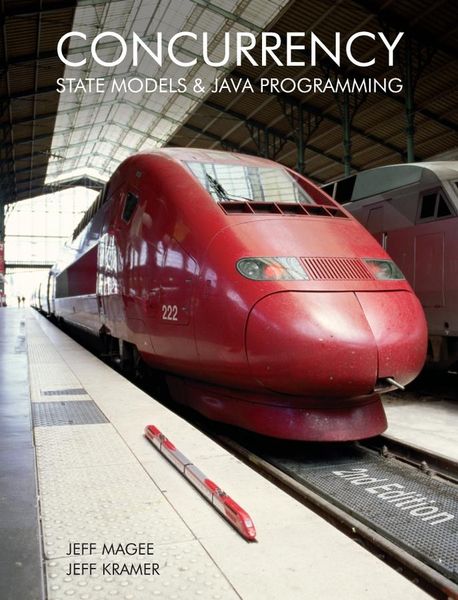
This book provides a systematic and practical approach to designing, analyzing and implementing concurrent programs, using both state models and Java programs to introduce and illustrate key concepts and techniques. Topics covered include:
* threads and interaction
* interference, exclusion and synchronization
* deadlock, safety and liveness properties
* message passing
* concurrent software architectures
* dynamic and timed systems.
Established as a key learning resource for computer science graduate and undergraduate students, this second edition includes new coverage of Program Verification and Logical Properties. The accompanying website contains an updated version of the LTSA tool for modeling concurrency, model animation and model checking. The website also includes the full set of state models, Java examples and demonstration programs and a comprehensive series of overhead slides for course presentation.
Ideal for classroom use or self-study, this book provides readers with the means to understand the fundamentals and practice of concurrency.
This book provides a systematic and practical approach to designing, analyzing and implementing concurrent programs, using both state models and Java programs to introduce and illustrate key concepts and techniques. Topics covered include:
* threads and interaction
* interference, exclusion and synchronization
* deadlock, safety and liveness properties
* message passing
* concurrent software architectures
* dynamic and timed systems.
Established as a key learning resource for computer science graduate and undergraduate students, this second edition includes new coverage of Program Verification and Logical Properties. The accompanying website contains an updated version of the LTSA tool for modeling concurrency, model animation and model checking. The website also includes the full set of state models, Java examples and demonstration programs and a comprehensive series of overhead slides for course presentation.
Ideal for classroom use or self-study, this book provides readers with the means to understand the fundamentals and practice of concurrency.
Noch keine Bewertungen vorhanden
Verfassen Sie die erste Bewertung zu diesem Artikel
Helfen Sie anderen Kundinnen und Kunden durch Ihre Meinung.
Kurze Frage zu unserer Seite
Vielen Dank für Ihr Feedback
Wir nutzen Ihr Feedback, um unsere Produktseiten zu verbessern. Bitte haben Sie Verständnis, dass wir Ihnen keine Rückmeldung geben können. Falls Sie Kontakt mit uns aufnehmen möchten, können Sie sich aber gerne an unseren Kund*innenservice wenden.
zum Kundenservice