• Produktbild: Enriching Curriculum for All Students
  • Produktbild: Enriching Curriculum for All Students

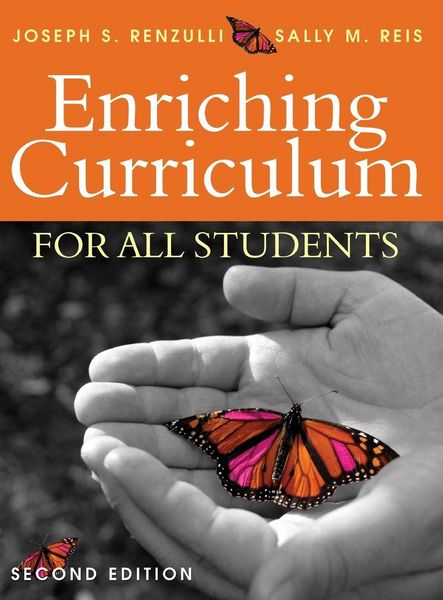
Enriching Curriculum for All Students

95,99 €

inkl. gesetzl. MwSt., Versandkostenfrei


Beschreibung

Produktdetails

Einband

Gebundene Ausgabe

Erscheinungsdatum

06.11.2007

Herausgeber

Renzulli Joseph S. + weitere

Verlag

O'Reilly

Seitenzahl

192

Maße (L/B/H)

28,6/22,1/1,5 cm

Gewicht

740 g

Auflage

2. überarbeitete Auflage

Sprache

Englisch

ISBN

978-1-4129-5379-5

Beschreibung

Produktdetails

Einband

Gebundene Ausgabe

Erscheinungsdatum

06.11.2007

Herausgeber

Verlag

O'Reilly

Seitenzahl

192

Maße (L/B/H)

28,6/22,1/1,5 cm

Gewicht

740 g

Auflage

2. überarbeitete Auflage

Sprache

Englisch

ISBN

978-1-4129-5379-5

Herstelleradresse

Produktsicherheitsverantwortliche/r
Europaallee 1
36244 Bad Hersfeld
DE

Email: gpsr@libri.de

Kundinnen und Kunden meinen

0 Bewertungen

Informationen zu Bewertungen

Zur Abgabe einer Bewertung ist eine Anmeldung im Konto notwendig. Die Authentizität der Bewertungen wird von uns nicht überprüft. Wir behalten uns vor, Bewertungstexte, die unseren Richtlinien widersprechen, entsprechend zu kürzen oder zu löschen.

Die Bewertungen sind nach Format, Anzahl Sterne und Datum sortiert.

Verfassen Sie die erste Bewertung zu diesem Artikel

Helfen Sie anderen Kund*innen durch Ihre Meinung

Kundinnen und Kunden meinen

0 Bewertungen filtern

  • Produktbild: Enriching Curriculum for All Students
  • Produktbild: Enriching Curriculum for All Students
  • Introduction
    About the Authors
    1. What Is "Enrichment" and Why Is It Important in Developing Curriculum in Americäs Schools?
    The "Why" Question: Why Enrichment?
    The "What" Question: What Kinds of Enrichment?
    What Exactly Is Enrichment Learning and Teaching?
    The Teacher Role as the Guide-on-the-Side
    The Four Goals of Schoolwide Enrichment
    2. Using the Schoolwide Enrichment Model to Enrich Curriculum for All Students
    Introduction
    Expanding Conceptions of Gifts and Talents: The Theory Underlying the SEM
    Developing Two Kinds of Giftedness
    An Overview of the Enrichment Triad Model
    The Revolving Door Identification Model: Identifying Students for the SEM
    The Schoolwide Enrichment Model (SEM)
    The Regular Curriculum
    The Enrichment Clusters
    The Continuum of Special Services
    The Service Delivery Components
    The Total Talent Portfolio
    Curriculum Differentiation and Compacting
    Enrichment Teaching and Learning
    Non-Negotiables about implementing Enrichment in the SEM
    Research on the SEM
    Summary
    3. Challenging All Students With a Continuum of Enrichment Services
    Background to the Establishment of a Continuum of Services
    Theoretical and Organizational Models
    An Integrated Continuum of Special Services
    How and When Enrichment Activities Take Place
    Keys to Developing a Comprehensive Continuum of Services
    Organizing Services in the Continuum
    The Role of Grouping and Tracking in a Continuum of Services
    The Politics of Grouping
    Nongraded Instructional Grouping and Within Classroom Cluster Grouping
    Managing Within Classroom Cluster Groups
    Other Enrichment Options
    Summer Programs and Schools for Gifted Students
    4. Developing Talent Portfolios for All Students
    What Is the Total Talent Portfolio?
    Status and Action Information
    Focus on Strengths
    Portfolio Engineering: Creating a Total Talent Portfolio
    Gathering and Recording Information About Abilities
    Standardized Tests and Teacher-Made Tests
    Grades
    Teacher Ratings
    Gathering and Recording Information About Student Interests
    The Interest-A-Lyzer
    Individualization and the Role of Learning Styles
    Instructional Styles Preferences
    Learning Environment Preferences
    Benefits of the Total Talent Portfolio
    5. Curriculum Compacting and Differentiation
    Curriculum Compacting: Definitions and Steps for Implementation
    Defining Curriculum Compacting
    How to Use the Compacting Process
    Providing Acceleration and Enrichment Options for Talented Students
    Rosa: A Sample Compactor Form
    Providing Support for Teachers to Implement Compacting: The Steps in Compacting
    Enrichment Materials in the Classroom
    Assessing Students Interests
    Interest Centers
    Research on Curriculum Compacting
    Advice From Successful Teachers Who Have Implemented Compacting
    The Multiple Menu Model: A Guide to In-Depth Learning and Teaching
    The Knowledge Menu
    Locating the Discipline
    Selecting Concepts and Ideas
    Selecting Representative Topics
    A Final Consideration: Appeal to the Imagination
    The Instructional Techniques Menus
    The Instructional Products Menu
    Interdisciplinary Models
    Summary
    6. Enrichment Learning and Teaching: The Enrichment Triad Model
    An Overview of the Enrichment Triad Model and Student Creative Productivity
    Learning in a Natural Way
    The Importance of Interaction
    Type I Enrichment: General Exploratory Experiences
    Type II Enrichment: Group Training Activities
    Type III Enrichment: Individual and Small Group Investigations of Real Problems
    Applying the Enrichment Triad Model to Enrichment Clusters
    How Can Teachers Learn to Use Enrichment Teaching?
    Applying the Type III Process to Enrichment Clusters
    7. Applying the Schoolwide Enrichment Model to Content Areas: The SEM in Reading
    Phase 1: Hooking Kids on Literature With Teacher Read-Alouds
    Phase 2: Supported Independent Reading and Differentiated Conferences
    Phase 3: Interest and Choice Activities
    Research on the SEM-R
    8. A Dozen Assistants In Your Classroom Implementing SEM by Using a New Online Resource for Enrichment and Differentiation
    Step 1: Strength Assessment Using the Electronic Learning Profile (The Total Talent Portfolio Online)
    Step 2: Enrichment Differentiation Databases
    Step 3: The Wizard Project Maker
    Step 4: The Total Talent Portfolio
    Renzulli Learning System
    The Value-Added Benefits of Learning With Technology
    Renzulli Learning: Conclusions
    References
    Index