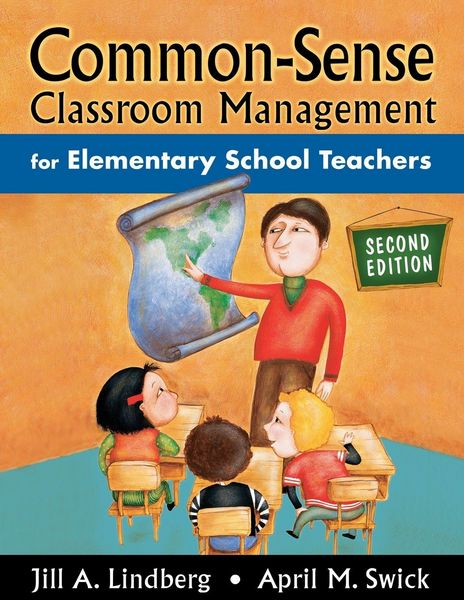
• Produktbild: Common-Sense Classroom Management for Elementary School Teachers
  • Produktbild: Common-Sense Classroom Management for Elementary School Teachers

Common-Sense Classroom Management for Elementary School Teachers

45,99 €

inkl. gesetzl. MwSt., Versandkostenfrei


Beschreibung

Produktdetails

Einband

Taschenbuch

Erscheinungsdatum

12.04.2006

Verlag

Sage Publications

Seitenzahl

152

Maße (L/B/H)

28/21,6/0,9 cm

Gewicht

370 g

Auflage

2. Auflage

Sprache

Englisch

ISBN

978-1-4129-1722-3

Beschreibung

Produktdetails

Einband

Taschenbuch

Erscheinungsdatum

12.04.2006

Verlag

Sage Publications

Seitenzahl

152

Maße (L/B/H)

28/21,6/0,9 cm

Gewicht

370 g

Auflage

2. Auflage

Sprache

Englisch

ISBN

978-1-4129-1722-3

Herstelleradresse

Produktsicherheitsverantwortliche/r
Europaallee 1
36244 Bad Hersfeld
DE

Email: gpsr@libri.de

Noch keine Bewertungen vorhanden

Verfassen Sie die erste Bewertung zu diesem Artikel

Helfen Sie anderen Kundinnen und Kunden durch Ihre Meinung.

Kundinnen und Kunden meinen

Bewertungen (0)

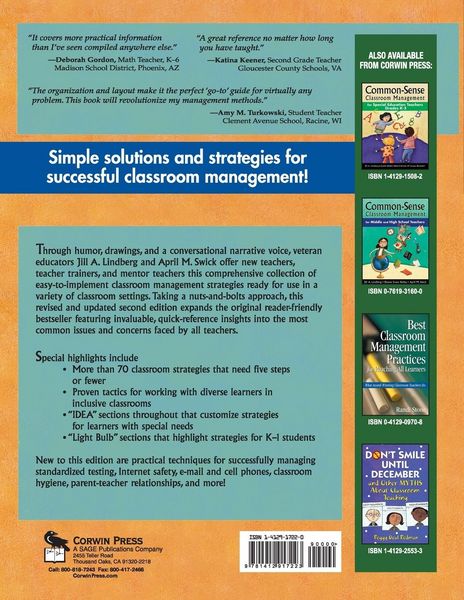
  • Produktbild: Common-Sense Classroom Management for Elementary School Teachers
  • Produktbild: Common-Sense Classroom Management for Elementary School Teachers
  • Foreword by Christine Kadow
    Preface
    Acknowledgments
    About the Authors
    1. Taking Care of Teacher Business
    Room Organization
    Teacher Desk Organization
    Planning
    Independent Activities While Teacher Works with Small Groups
    Reviewing Expectations
    Field Trips
    Making the Most of Your Paraprofessional Assistant
    2. Creating a Positive Classroom Atmosphere
    Classroom Seating
    Decorating With Themes
    Classroom Monitors and Jobs
    Respect in Your Classroom
    Teaching Social Skills
    Ways to Include All Students in Classroom Participation
    Super Student of the Week
    Classroom Meetings
    Compliment Book
    Wall of Fame
    Tattling
    3. Communicating With Parents
    Parent-Teacher Relationships
    Parent Conferences
    Using Email With Parents
    Using Cell Phones With Parentsl
    Classroom Newsletters
    4. Helping Parents Teach Children Safe Internet Practices
    The Information Superhighway: Basic Information for Parents
    Limiting Children to Appropriate Internet Content
    More Tips for Safe Traveling
    Using the Internet for School Projects
    5. Working With Diverse Student and Family Populations
    Working With Non-English-Speaking Students
    Making Non-English-Speaking Students Comfortable in Your Classroom
    Working With Non-English-Speaking Families
    Working With Family Members Who May Be Illiterate
    6. Dealing With Personal Hygiene Issues
    Recognizing That a Problem Exists
    Talking to Your Class
    Talking With Parents
    Providing Personal Care at School
    Working With Support Staff
    7. With-it-ness
    Teacher Behaviors
    Planning Ahead and Lesson Expectations
    If a Lesson Really Isn't Working
    Looks, Gestures, Posture, and Positioning in Room to Convey Expectations
    Demeanor and Actions During Lessons to Ensure Student Focus
    Modeling Expected Responses
    The Challenging Student
    8. Transitioning
    One Subject to Another
    One Subject to Another: Moving Within the Room
    Moving for Group Learning Activities
    One Classroom to Another
    9. Taking Care of Classroom Business
    Entering School
    Entering the Classroom
    Beginning the Day
    Absenteeism
    Homework Collection
    Failure to Do Homework
    Line Order
    Bathroom Procedure
    Drinks
    Pencil Sharpening
    Gum, Candy, and Other Forbidden Edibles
    Classroom Rules
    Indoor Recess
    Reentering the Classroom After Lunch and Recess
    Ending the Day
    10. Integrating Into Your School Culture
    Becoming Part of the Team
    Teacher Buddies and Mentors
    To Socialize or Not to Socialize
    The Teachers¿ Room
    Ask for Help; Offer to Help
    Other Supports for New Teachers
    11. Preparing Your Students for Standardized Testing
    Before the Test
    Testing Day
    After the Test
    Test-Taking Tips for Students
    12. Organizational Time
    Desk Cleaning
    Supplies
    Mailboxes
    Non-School-Related Materials
    13. Rewards
    Academic Rewards
    Extra Special Class Time
    Extra Art Time and Extra Gym Time
    Leisure Time Activities
    Lunch With the Teacher
    Good News Phone Calls
    Extra Classroom Chores
    Whole-Class Rewards
    Making Arrangements for Non-Reward Earners
    Stickers, Stamps, and Other Goodies
    Coupons
    Certificates
    Tokens and Play Money
    Edibles
    14. Consequences
    Identifying Challenging Students
    Dealing with Mildly Challenging Behavior
    Working with Chronic, Highly Disruptive Behavior
    Suggested Readings
    Index