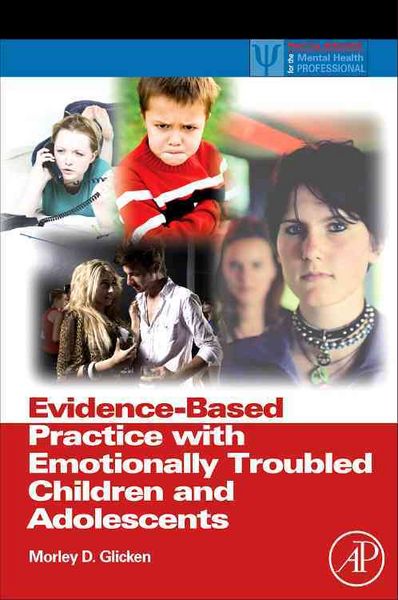
Evidence-Based Practice with Emotionally Troubled Children and Adolescents
76,99 €
inkl. gesetzl. MwSt.,
Beschreibung
Produktdetails
Einband
Gebundene Ausgabe
Erscheinungsdatum
01.03.2009
Verlag
Academic PressSeitenzahl
664
Maße (L/B/H)
24/16,2/3,2 cm
Gewicht
864 g
Sprache
Englisch
ISBN
978-0-12-374523-1
This book on evidence-based practice with children and adolescents focuses on best evidence regarding assessment, diagnosis, and treatment of children and adolescents with a range of emotional problems including ADHD; Bi-Polar Disorder; anxiety and depression; eating disorders; Autism; Asperger's Syndrome; substance abuse; loneliness and social isolation; school related problems including underachievement; sexual acting out; Oppositional Defiant and Conduct Disorders; Childhood Schizophrenia; gender issues; prolonged grief; school violence; cyber bullying; gang involvement, and a number of other problems experienced by children and adolescents.
The psychosocial interventions discussed in the book provide practitioners and educators with a range of effective treatments that serve as an alternative to the use of unproven medications with unknown but potentially harmful side effects. Interesting case studies demonstrating the use of evidence-based practice with a number of common childhood disorders and integrative questions at the end of each chapter make this book uniquely helpful to graduate and undergraduate courses in social work, counseling, psychology, guidance, behavioral classroom teaching, and psychiatric nursing.
Noch keine Bewertungen vorhanden
Verfassen Sie die erste Bewertung zu diesem Artikel
Helfen Sie anderen Kundinnen und Kunden durch Ihre Meinung.
Kurze Frage zu unserer Seite
Vielen Dank für Ihr Feedback
Wir nutzen Ihr Feedback, um unsere Produktseiten zu verbessern. Bitte haben Sie Verständnis, dass wir Ihnen keine Rückmeldung geben können. Falls Sie Kontakt mit uns aufnehmen möchten, können Sie sich aber gerne an unseren Kund*innenservice wenden.
zum Kundenservice