Beschreibung
Produktdetails
Einband
Taschenbuch
Erscheinungsdatum
10.10.2024
Verlag
Pearson Education LimitedSeitenzahl
240
Maße (L/B/H)
21,6/13,8/1,4 cm
Gewicht
371 g
Auflage
1
Sprache
Englisch
ISBN
978-0-273-71420-0
"Jon and Andy lay out a road-map for great brand management, packed with
the essentials of brand theory and practical tips to make it happen. It does
for brand management what the Haynes workshop manuals do for cars."
Peter Gowers, Chief Executive, InterContinental Hotels Group, Asia-Pacific
"Brands are about difference and personality. This book really is different. It makes you think and makes you smile!"
Peter Fisk, The Genius Works
"Branding isn't rocket science but it sometimes pretends to be. Here's abook without such pretensions, a book to make you smile, learning while you smile."
John Simmons, Director, The Writer
"an enjoyable read full of practical tips. There is far too much jargon in business generally and in branding and communications in particular, this book is an entertaining antidote to that"
Mike Lee, OBE, CEO Vero Communications
Humorous, practical and everything you need to know about branding.
This is a different kind of business book. You will find no jargon or dense, theory-laden text.
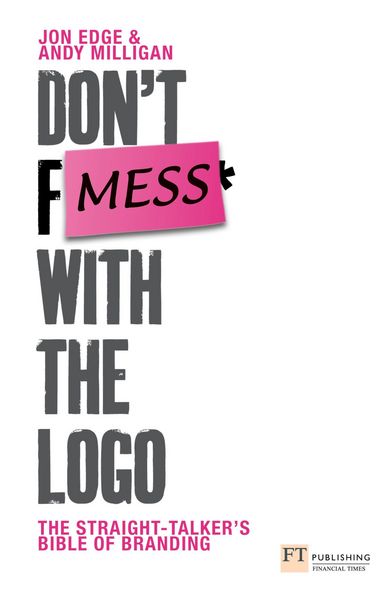
Building a brand with impact is one of the most important tasks that any business faces. Few people understand how to actually go about creating an effective brand. This book is a no holds barred guide to what brand building is, what it isnt and exactly what you have to do to build your brand.
Be inspired by real-life stories from the people who did and didnt mess with their logo and succeeded or failed as a result. Read the stories from big-name brands like Orange, M&S, Red Bull, Apple, Innocent, PwC and FCUK.
There are numerous brand books but they either fall into the dull, worthy and theoretical which nobody reads or they tell case studies of famous brands which are soon out of date and which do not easily translate into practical advice. This book is unashamedly the antidote to that. It will tell you all you need to know about branding and entertain you at the same time.
Noch keine Bewertungen vorhanden
Verfassen Sie die erste Bewertung zu diesem Artikel
Helfen Sie anderen Kundinnen und Kunden durch Ihre Meinung.
Kurze Frage zu unserer Seite
Vielen Dank für Ihr Feedback
Wir nutzen Ihr Feedback, um unsere Produktseiten zu verbessern. Bitte haben Sie Verständnis, dass wir Ihnen keine Rückmeldung geben können. Falls Sie Kontakt mit uns aufnehmen möchten, können Sie sich aber gerne an unseren Kund*innenservice wenden.
zum Kundenservice