Beschreibung
Produktdetails
Einband
Taschenbuch
Erscheinungsdatum
15.02.2005
Verlag
Universal PublishersSeitenzahl
196
Maße (L/B/H)
21,6/14/1,1 cm
Gewicht
254 g
Sprache
Englisch
ISBN
978-1-58112-485-9
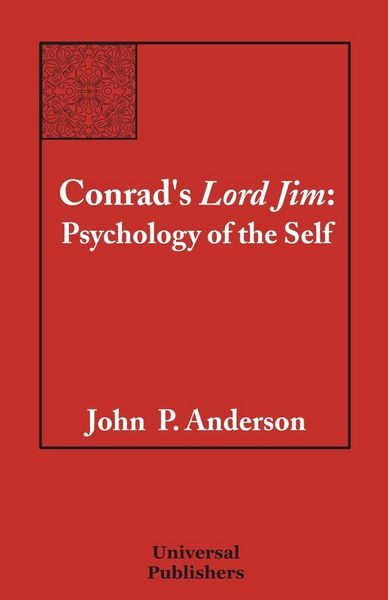
This non-academic author explores Conrad's classic Lord Jim as a clinic in the psychology of the self, a novel whose characters are designed to reflect various degrees of integration of self-image and action and independence from the approval of others. Conrad's character construction anticipates the findings and theories of modern psychology, particularly those of psychological differentiation and to a lesser extent Jung and Freud. The main contrast in the clinic of the self is between the independent Marlow and the dependent Jim. After Jim fails to do his duty as First Mate on a ship named the Patna, he is judged by a court of inquiry and humiliated. Pathologically subject to shame because of the lack of any secure self, the dependent Jim attempts to hide by moving from port to port and finally into the jungle in out of the way Patusan. Crowned Lord Jim by the natives, he meets a seemingly inevitable fate because of his continuing need for approval from others. The independent Marlow helps Jim and in the process develops nuanced attitudes beyond conventional morality. Anderson sees the principal art of the novel as the connection Conrad forged between Jim and the Patna. Damaged by a submerged object while carrying Muslim pilgrims on their annual pilgrimage, the cause and effect of damage to the ship are metaphors for the cause and effect of Jim's psychic damage, damage that makes him susceptible to the pressure of opinions of others. Damaged early by the lack of a mother's nurture, Jim has no strong inner bulkheads to resist the pressure of the opinions of others. This author views the background of the novel, the background against which Conrad constructed Jim's life drama, to include the Garden of Eden myth and the attitudes towards free will in Islam and Christianity. As he did with works by Joyce, Faulkner and Flaubert, Anderson gives his analysis in a chapter by chapter and selected paragraph by paragraph reading of the novel.
Noch keine Bewertungen vorhanden
Verfassen Sie die erste Bewertung zu diesem Artikel
Helfen Sie anderen Kundinnen und Kunden durch Ihre Meinung.
Kurze Frage zu unserer Seite
Vielen Dank für Ihr Feedback
Wir nutzen Ihr Feedback, um unsere Produktseiten zu verbessern. Bitte haben Sie Verständnis, dass wir Ihnen keine Rückmeldung geben können. Falls Sie Kontakt mit uns aufnehmen möchten, können Sie sich aber gerne an unseren Kund*innenservice wenden.
zum Kundenservice