Beschreibung
Produktdetails
Einband
Taschenbuch
Erscheinungsdatum
01.10.2012
Verlag
MCGRAW-HILL ProfessionalSeitenzahl
144
Maße (L/B/H)
22,6/15/1,3 cm
Gewicht
249 g
Sprache
Englisch
ISBN
978-0-335-23789-0
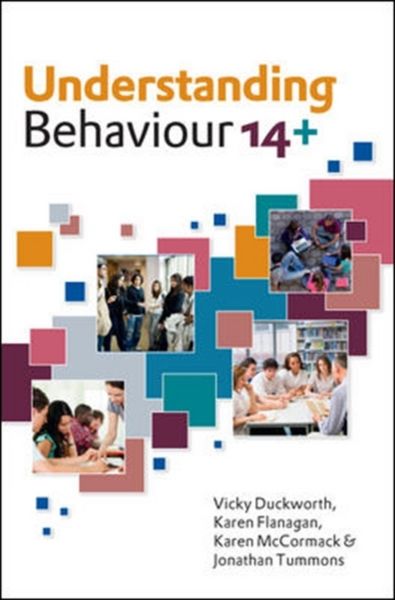
Dealing with challenging behaviour is normally the number one concern of trainee teachers and even more so for those who are training to work with pupils age 14+ whether within a secondary school context or post-compulsory college context. The aim of this book is to help the reader approach behavioural problems through meaningful self evaluation and reflection. This will equip the practitioner with the skills required to implement change within problematic relationships and environments and to explore a range of possible reasons as to 'why students behave in the way they do'. It challenges existing paradigms in order to break down barriers; substituting and encouraging professional responsibility for promoting positive relationships rather than the passive acceptance of unwanted behaviours, or a reliance on a culture of 'blame'.
The idea is to move away from thinking about difficult or 'bad' students towards thinking about difficult relationships or environments. This process of change already allows the practitioner to reflect in a far more constructive and objective manner. This process of reflection and evaluation also allows the practitioner to acknowledge their own feelings in this process. Whilst there are strategies that can help in a reactive sense to situations and behaviours as they occurs such as body language and proxemics there are no 'quick fixes' to deal with what are extremely complicated and complex relationships and situations.
This is where a solution-focused approach can be helpful as it is brief and effective. It can be brief because it is future-focused and because it works with the strengths of those who come by making the best use of their resources, and it can bring about lasting change because it aims to build solutions rather than solve problems i.e. identifying small baby steps towards a bigger end goal. Thus this approach, whilst initially daunting, allows the practitioner to be freed of the shackles of 'labels' that are neither helpful nor constructive and instead becomes a powerful tool for transforming negative learning environments.
Noch keine Bewertungen vorhanden
Verfassen Sie die erste Bewertung zu diesem Artikel
Helfen Sie anderen Kundinnen und Kunden durch Ihre Meinung.
Kurze Frage zu unserer Seite
Vielen Dank für Ihr Feedback
Wir nutzen Ihr Feedback, um unsere Produktseiten zu verbessern. Bitte haben Sie Verständnis, dass wir Ihnen keine Rückmeldung geben können. Falls Sie Kontakt mit uns aufnehmen möchten, können Sie sich aber gerne an unseren Kund*innenservice wenden.
zum Kundenservice