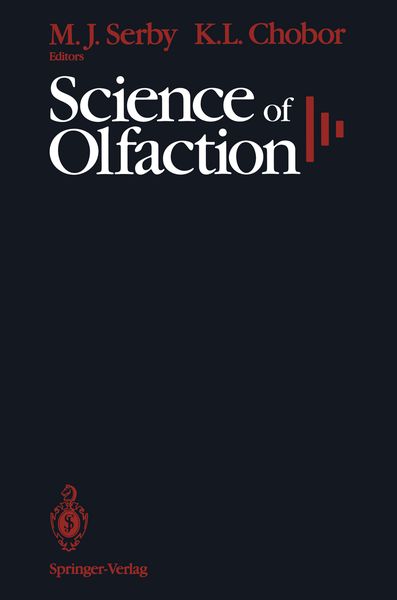
• Produktbild: Science of Olfaction
  • Produktbild: Science of Olfaction
- 13%

Science of Olfaction

13% sparen

92,99 € UVP 106,99 €

inkl. gesetzl. MwSt., Versandkostenfrei


Beschreibung

Produktdetails

Einband

Taschenbuch

Erscheinungsdatum

28.09.2011

Herausgeber

Michael J. Serby + weitere

Verlag

Springer Us

Seitenzahl

590

Maße (L/B/H)

23,5/15,5/3,4 cm

Gewicht

926 g

Auflage

Softcover reprint of the original 1st ed. 1992

Sprache

Englisch

ISBN

978-1-4612-7690-6

Beschreibung

Produktdetails

Einband

Taschenbuch

Erscheinungsdatum

28.09.2011

Herausgeber

Verlag

Springer Us

Seitenzahl

590

Maße (L/B/H)

23,5/15,5/3,4 cm

Gewicht

926 g

Auflage

Softcover reprint of the original 1st ed. 1992

Sprache

Englisch

ISBN

978-1-4612-7690-6

Herstelleradresse

Springer-Verlag KG
Sachsenplatz 4-6
1201 Wien
AT

Email: GPSR Kontakt

Noch keine Bewertungen vorhanden

Verfassen Sie die erste Bewertung zu diesem Artikel

Helfen Sie anderen Kundinnen und Kunden durch Ihre Meinung.

Kundinnen und Kunden meinen

Bewertungen (0)

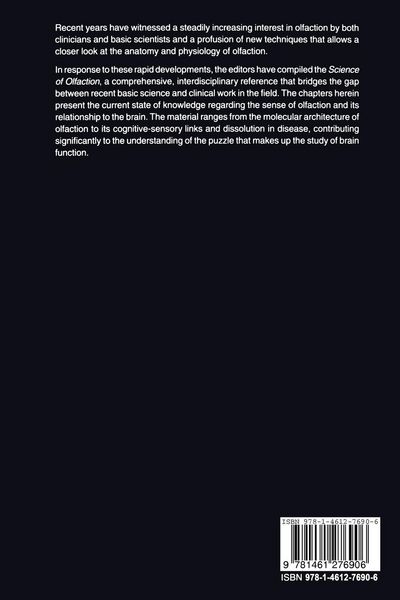
  • Produktbild: Science of Olfaction
  • Produktbild: Science of Olfaction
  • I: Historical Perspectives.- 1. Olfaction and the Primitive : Nineteenth-Century Medical Thinking on Olfaction.- Pathologies of the Olfactory Sense.- The Place of Olfaction in Nineteenth-Century Evolutionary Theory.- Olfaction and Brain Evolution: Broca and the “Great Limbic Lobe”.- Sexology and “Perversions” of Olfaction.- From “Smell Brain” to Limbic System: The Work of Papez and MacLean.- References.- II: The Basic Science of Olfaction.- 2. Morphology and Plasticity of the Vertebrate Olfactory Epithelium.- Morphology.- Biochemical Characteristics.- Neural Plasticity.- Recent Advances.- Summary.- References.- 3. Molecular Aspects of Olfaction.- Functional Anatomy of the Olfactory Neuroepithelium.- Odorant Recognition.- Signal Transduction in Olfactory Receptor Cells.- Olfactory Tissue-Specific Proteins of Undetermined Function.- References.- 4. The Biochemistry of Olfactory Neurons: Stages of Differentiation and Neuronal Subsets.- Biochemical Correlates of the Differentiation of Olfactory Neurons.- Molecular Correlates of Growth in Olfactory Neurons.- Biochemically Defined Subclasses of Olfactory Neurons.- General Conclusions and Synthesis.- References.- 5. Neuroanatomical Substrates of Olfaction.- Cyto- and Chemoarchitecture of the Olfactory Bulb.- Outputs of the Olfactory Bulb.- Organization and Neurochemistry of Central (“Centrifugal”) Afferents to the Olfactory Bulb.- Afferents to the AOB.- Secondary Olfactory Connections and Integration.- References.- 6. Neurophysiology of the Olfactory Bulb.- The Olfactory Code and the Anatomy of the Olfactory Nerve.- Neural Processing in the Glomerular Layer.- The Mitral/Granule Inhibitory System.- Responses of Bulb Neurons to Odors and Electrical Stimulation.- Connections between the Piriform Cortex, AON, and Olfactory Bulb.- Modulatory Control of Synaptic Processes in the Olfactory Bulb.- Conclusion.- References.- 7. Olfactory Learning and Memory in the Rat: A “Model System” for Studies of the Neurobiology of Memory.- Rodent Olfaction as a “Model System” for Studies on the Neurobiology of Learning and Memory.- Discrete Limbic Pathways are Critical for Dissociable Olfactory Memory Processes.- Piriform Cortex as a Storage Site for Olfactory Memories.- Conclusions.- References.- 8. Sex Differences in Olfaction in Mammals.- Olfaction and Reproduction.- Sexual Dimorphism in Olfactory Structures.- Sex Differences in Olfactory Sensitivity.- Model Systems for Studying Sex Differences in Olfaction.- Conclusions.- References.- III: Clinical Issues in the Study of Olfaction.- 9. Techniques in the Quantitative Study of Human Olfaction.- Stimulus Control and Measurement.- Thresholds.- Measurement of Perceived Odor Intensity.- References.- 10. Stimulus Selection in the Design and Interpretation of Olfactory Studies.- Survey of the Literature.- Discussion.- References.- 11. Assessing Olfaction: Cognitive and Measurement Issues.- Measuring Performance on Yes/No Tasks.- Signal Detection Theory with C.- Two-High Threshold Theory.- Comparison of the Two Approaches.- Olfactory Identification in Aging and Alzheimer’s Disease.- Olfactory Identification in Down’s Syndrome and Idiopathic Mental Retardation.- Summary.- References.- 12. A Neurolinguistic Perspective of the Study of Olfaction.- Language-Odor Interaction: A Review.- Misnaming in Aphasia and Dementia.- Conclusions.- References.- 13. Human Olfaction in Infancy and Early Childhood.- Sensitivity and Discrimination.- Hedonic Discriminations.- The Functional Importance of Olfaction.- Conclusion.- References.- 14. Olfaction and Human Sexuality: A Psychoanalytic Approach.- Olfaction and Sexuality: Early Writings.- Olfaction and Sexuality: Later Views.- Olfaction and Psychosexual Development.- Olfaction and Oedipus.- Olfaction and Sexuality: Physiologic Views.- Conclusions.- References.- 15. Olfaction and Emotion.- Comparing Odors to Other Stimuli.- Olfaction as an Emotional Sense: Eight Propositions.- The Uses of Odor in the Study of Affect.- References.- 16. Primary Olfactory Disorders: Anosmia, Hyposmia, and Dysosmia.- Evaluation of Smell Complaints.- Psychophysical Measurement in a Clinical Setting.- Frequent Causes of Olfactory Dysfunction.- Smell Dysfunction Secondary to Other Diseases.- References.- 17. Olfactory Hallucinations.- Neurological Syndromes.- Psychiatric Syndromes.- Conclusion.- References.- 18. Olfaction in Aging and Medical Disorders.- Perceptual Losses in Smell in the Elderly.- Anatomic and Physiologic Losses in the Olfactory System with Age.- Causes of Olfactory Losses with Age.- Perceptual Losses of Smell in Alzheimer’s Disease.- Causes of Olfactory Losses in Alzheimer’s Disease.- Treatment of Age-Related Decrements in Odor Perception with Flavor (Odor) Enhancers.- A Model of Neural Coding That Accounts for Odor Losses in Normal Aging and Alzheimer’s Disease.- References.- 19. Olfactory Impairment in Korsakoff’s Syndrome.- Olfactory Deficits in Korsakoff’s Disease.- Is the Discrimination Deficit in Korsakoff’s Disease Specifically Olfactory?.- What Is the Pathologic Basis of Olfactory Deficits in Korsakoff’s Disease?.- Conclusions.- References.- 20. Olfaction and Head Injury.- Reports of Posttraumatic Anosmia.- Mechanisms of Posttraumatic Anosmia.- Clinical Evaluation and Testing.- Patient Management and Treatment.- Prognosis and Recovery.- References.- 21. Olfaction and Neuropsychiatry.- Olfaction and Alzheimer’s Disease.- Olfaction and Depression.- Olfaction and Schizophrenia.- Olfaction and AIDS Spectrum Disorders.- Olfaction and Neuropsychiatry.- References.