Homeland Mythology - Biblical Narratives in American Culture Biblical Narratives in American Culture
-
- Englisch ausgewählt
33,99 €
inkl. gesetzl. MwSt.,
Beschreibung
Produktdetails
Einband
Taschenbuch
Erscheinungsdatum
25.08.2007
Abbildungen
Illustrationen, nicht spezifiziert
Verlag
University PressesSeitenzahl
288
Maße (L/B/H)
22,8/15,5/1,8 cm
Gewicht
412 g
Sprache
Englisch
ISBN
978-0-271-05872-6
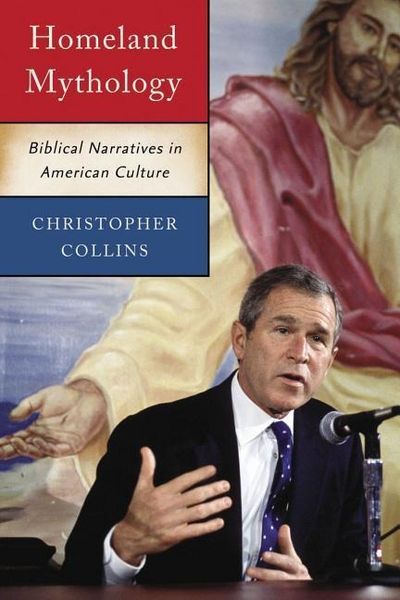
Since 9/11, America has presented itself to the world as a Christianist culture, no less antimodern and nostalgic for an idealized past than its Islamist foes. The master-narrative both sides share might sound like this: Once upon a time, the values of the righteous community coincided with those of the state. Home and land were harmoniously united under God. But through intellectual pride (read: science) and disobedience (read: human rights), this God-blessed homeland was lost and is now worth every drop of blood it takes, ours and others', to recover.
For Americans, the prime source for this once-and-future-kingdom myth is the Bible, with its many narratives of blessings gained, lost, and regained: the garden of Eden, the covenant with Abraham, the bondage in Egypt, the exodus under Moses, the glory of David and Solomon's realm, the coming of the promised Messiah, his crucifixion, resurrection, and ascension into heaven, his apocalyptic return at the end of history, and his establishment of the earthly kingdom of God. As Homeland Mythology shows, these biblical narratives have, over time, inspired a multitude of nationalist narratives, myths ingeniously spun out to justify a number of decidedly unchristian policies and institutions--from Indian genocide, the slave trade, and the exploitation of immigrant workers to Manifest Destiny, imperial expansionism, and, most recently, preemptive war.
On March 25, 2001, George W. Bush shared a bit of political wisdom: "You can fool some of the people all of the time--and those are the ones you have to concentrate on." The cynical use of religion to cloak criminal behavior is always worth exposing, but why our leaders lie to us is no longer a mystery. What does remain mysterious is why so many of us are disposed to believe their lies. The unexamined issue that this book addresses is, therefore, not the mendacity of the few, but the credulity of the many.
Noch keine Bewertungen vorhanden
Verfassen Sie die erste Bewertung zu diesem Artikel
Helfen Sie anderen Kundinnen und Kunden durch Ihre Meinung.
Kurze Frage zu unserer Seite
Vielen Dank für Ihr Feedback
Wir nutzen Ihr Feedback, um unsere Produktseiten zu verbessern. Bitte haben Sie Verständnis, dass wir Ihnen keine Rückmeldung geben können. Falls Sie Kontakt mit uns aufnehmen möchten, können Sie sich aber gerne an unseren Kund*innenservice wenden.
zum Kundenservice