
Gutscheinbedingungen

Gültig bis 19.08.2026 | Gültig für Spielzeug, Filme, Musik, Software, Games, Elektronik, Geschenke & Trends, Schreibwaren, Hörbücher und Hörbuch-Downloads (außer Abo & Shelfies), gebrauchte Bücher, nicht preisgebundene Bücher und Kalender | Einlösbar unter osiander.de und in der Osiander App | Click & Collect nur mit Online-Zahlung (Paypal/Kreditkarte) vorab | Einzelne Artikel können ausgeschlossen sein | Nicht kombinierbar mit anderen Gutscheinen oder Preisaktionen | Nur einmal pro Einkauf einlösbar | Gutschein wird auf max. 500€ Bestellwert angerechnet | Keine Barauszahlung | Digitale Hörbücher nur für Android  | Nicht gültig für preisgebundene Artikel (aufgrund der Buchpreisbindung sind Gutscheine nicht auf Bücher, eBooks, Presse einlösbar), tolino eReader & Zubehör, Abonnements & Flatrates, Geschenkkarten, Versandkosten und Services

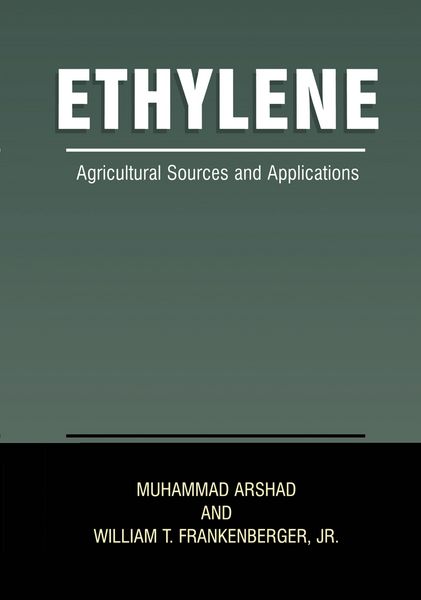
  • Produktbild: Ethylene
  • Produktbild: Ethylene

Ethylene Agricultural Sources and Applications

146,99 €

inkl. gesetzl. MwSt., Versandkostenfrei


Beschreibung

Produktdetails

Einband

Taschenbuch

Erscheinungsdatum

17.10.2012

Verlag

Springer Us

Seitenzahl

342

Maße (L/B/H)

25,4/17,8/2 cm

Gewicht

684 g

Auflage

Softcover reprint of the original 1st ed. 2002

Sprache

Englisch

ISBN

978-1-4613-5189-4

Beschreibung

Rezension

From the reviews:

"...a comprehensive account of our current knowledge of ethylene ... The strength of the book is that it brings together a large amount of information on microbial ethylene, and in this respect it is unique.

(P. John
in
Annals of Botany Company, 2002)

"In conclusion, the book can be recommended to anyone with an interest in "Plant Science", teachers, graduate students and plant scientists (whether working or not on ethylene) who would like to have an extended and comprehensive view of the role of ethylene in areas such as plant microbe interactions, soil science and applied aspects of the use of ethylene in agriculture, areas other than plant physiology per se."

(Plant Science, 162, 2002)

"The main emphasis of this book is on the microbial production of ethylene and its effects on plant growth. Each chapter is well-written and has adequate figures and tables to support the essence of the material presented in the text. There are extensive references at the end of each chapter. Although the book was published in 2001, there are few references beyond 2000. [...] the vast amount of information presented in this book on the microbial production of ethylene, and the activity of ethylene in soil, symbiosis, and pathogenesis make the book well worth acquiring. While this book will be valuable to anyone interested in the biology of ethylene, the book may be of more use to soil scientists and plant pathologists than to horticulturists. [
Ethylene: Agricultural Sources and Applications
] gives a thorough background on our current knowledge of ethylene in plant biology and is an excellent reference to the synthesis and action of ethylene in microbes."

(Mikal E. Saltveit, University of California, Davis
in
HortScience, 38:1, February 2003)

Produktdetails

Einband

Taschenbuch

Erscheinungsdatum

17.10.2012

Verlag

Springer Us

Seitenzahl

342

Maße (L/B/H)

25,4/17,8/2 cm

Gewicht

684 g

Auflage

Softcover reprint of the original 1st ed. 2002

Sprache

Englisch

ISBN

978-1-4613-5189-4

Herstelleradresse

Springer-Verlag GmbH
Tiergartenstr. 17
69121 Heidelberg
DE

Email: GPSR Kontakt

Noch keine Bewertungen vorhanden

Verfassen Sie die erste Bewertung zu diesem Artikel

Helfen Sie anderen Kundinnen und Kunden durch Ihre Meinung.

Kundinnen und Kunden meinen

Bewertungen (0)

  • Produktbild: Ethylene
  • Produktbild: Ethylene
  • 1. THE PLANT HORMONE, ETHYLENE.- 1.1. Introduction.- 1.2. Ethylene as a Gas.- 1.3. Biological Activity of Ethylene.- 1.4. Historical Perspective.- 1.5. Sources of Ethylene and Applications.- 1.6. Future Prospects.- 1.7. References.- 2. ETHYLENE IN PLANT PHYSIOLOGY.- 2.1. Introduction.- 2.2. Endogenous Production of Ethylene.- 2.3. Biosynthetic Pathway.- 2.4. Regulation of Ethylene Production.- 2.5. Metabolism.- 2.6. Mechanism of Action and Ethylene Receptors.- 2.7. Ethylene Production by Lower Plants.- 2.8. Concluding Remarks.- 2.9. References.- 3. BIOCHEMISTRY OF MICROBIAL PRODUCTION OF ETHYLENE.- 3.1. Introduction.- 3.2. Substrates/Precursors/Stimulators of Ethylene.- 3.3. Biosynthetic Pathways.- 3.4. Methionine-Dependent and -Independent Pathways.- 3.5. Molecular Aspects of the Ethylene-forming Enzyme of Pseudomonas syringae.- 3.6. Structure of Ethylene-forming Enzymes.- 3.7. Microbial Metabolism of Ethylene.- 3.8. Concluding Remarks.- 3.9. References.- 4. FACTORS AFFECTING MICROBIAL PRODUCTION OF ETHYLENE.- 4.1. Microbial Production of Ethylene.- 4.2. Factors Affecting Microbial Production of Ethylene in Vitro.- 4.3. Effect of Ethylene on Microbial Growth.- 4.4. Concluding Remarks.- 4.5. References.- 5. ETHYLENE IN SOIL.- 5.1. Ethylene Production in Soil.- 5.2. Physicochemical Properties of Soil and Ethylene Production.- 5.3. Organic Amendments and Ethylene Accumulation.- 5.4. Inorganic Amendments and Ethylene Accumulation in Soil.- 5.5. Nitrate as a Suppressor of Ethylene Accumulation in Soil.- 5.6. Ferrous Iron as a Stimulator of C2H4 Production in Soil.- 5.7. Persistence of Ethylene in Soil.- 5.8. Plant Responses Evoked by Ethylene and Waterlogging.- 5.9. Concluding Remarks.- 5.10. References.- 6. ETHYLENE IN SYMBIOSIS.- 6.1. Introduction.- 6.2. Symbiotic Associations.- 6.3. Nodulation.- 6.4. Mycorrhizal Associations.- 6.5. Lichen (An Algal-Fungal Symbiosis).- 6.6. Concluding Remarks.- 6.7. References.- 7. ETHYLENE IN PATHOGENESIS.- 7.1. Infection: A Biotic Stress.- 7.2. Enhanced Ethylene Production during Pathogenesis.- 7.3. Source of Accelerated Ethylene Evolution during Pathogenesis.- 7.4. Role of Ethylene in Disease Development.- 7.5. Role of Ethylene in Disease Resistance.- 7.6. Soil Ethylene as a Weedicide.- 7.7. Concluding Remarks.- 7.8. References.- 8. ETHYLENE IN AGRICULTURE: SYNTHETIC AND NATURAL SOURCES AND APPLICATIONS.- 8.1. Introduction.- 8.2. Ethylene Sources and Their Applications in Agriculture.- 8.3. Alterations in Endogenous Ethylene Biosynthesis and Plant Responses.- 8.4. Concluding Remarks.- 8.5. References.