Gutscheinbedingungen

Gültig bis 19.08.2026 | Gültig für Spielzeug, Filme, Musik, Software, Games, Elektronik, Geschenke & Trends, Schreibwaren, Hörbücher und Hörbuch-Downloads (außer Abo & Shelfies), gebrauchte Bücher, nicht preisgebundene Bücher und Kalender | Einlösbar unter osiander.de und in der Osiander App | Click & Collect nur mit Online-Zahlung (Paypal/Kreditkarte) vorab | Einzelne Artikel können ausgeschlossen sein | Nicht kombinierbar mit anderen Gutscheinen oder Preisaktionen | Nur einmal pro Einkauf einlösbar | Gutschein wird auf max. 500€ Bestellwert angerechnet | Keine Barauszahlung | Digitale Hörbücher nur für Android  | Nicht gültig für preisgebundene Artikel (aufgrund der Buchpreisbindung sind Gutscheine nicht auf Bücher, eBooks, Presse einlösbar), tolino eReader & Zubehör, Abonnements & Flatrates, Geschenkkarten, Versandkosten und Services

  • Produktbild: International Handbook of Behavior Modification and Therapy
  • Produktbild: International Handbook of Behavior Modification and Therapy
- 10%

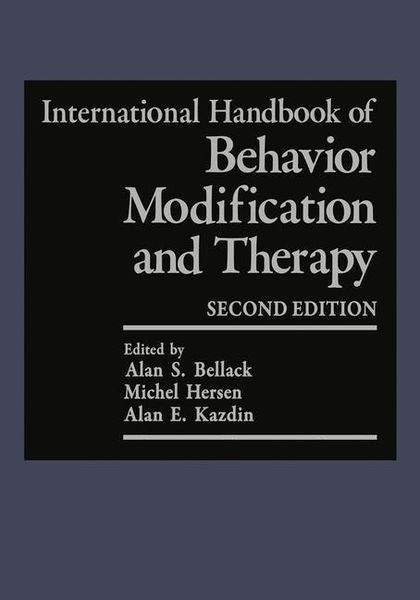
International Handbook of Behavior Modification and Therapy Second Edition

10% sparen

209,99 € UVP 235,39 €

inkl. gesetzl. MwSt., Versandkostenfrei


Beschreibung

Produktdetails

Einband

Taschenbuch

Erscheinungsdatum

17.09.2011

Herausgeber

Alan S. Bellack + weitere

Verlag

Springer Us

Seitenzahl

908

Maße (L/B/H)

25,4/17,8/4,9 cm

Gewicht

1678 g

Auflage

Softcover reprint of the original 1st ed. 1990

Sprache

Englisch

ISBN

978-1-4612-7848-1

Beschreibung

Produktdetails

Einband

Taschenbuch

Erscheinungsdatum

17.09.2011

Herausgeber

Verlag

Springer Us

Seitenzahl

908

Maße (L/B/H)

25,4/17,8/4,9 cm

Gewicht

1678 g

Auflage

Softcover reprint of the original 1st ed. 1990

Sprache

Englisch

ISBN

978-1-4612-7848-1

Herstelleradresse

Springer-Verlag GmbH
Tiergartenstr. 17
69121 Heidelberg
DE

Email: GPSR Kontakt

Noch keine Bewertungen vorhanden

Verfassen Sie die erste Bewertung zu diesem Artikel

Helfen Sie anderen Kundinnen und Kunden durch Ihre Meinung.

Kundinnen und Kunden meinen

Bewertungen (0)

  • Produktbild: International Handbook of Behavior Modification and Therapy
  • Produktbild: International Handbook of Behavior Modification and Therapy
  • I Foundations.- 1 History of Behavior Modification.- Behaviorism: As Paradigm and as Context.- On the Nature of Behaviorism.- The Concept of “Learning”.- On Labels and Terminology.- Historical Perspectives on Behavior Modification/Therapy.- The Clinical Psychology Context.- Target Behaviors.- Behavioral Techniques.- On Later Terminology—The Second Wave.- Onward and Upward?.- References.- 2 The Experimental and Theoretical Foundations of Behavior Modification.- Basic Experimental Learning Paradigms and Principles.- Classical Conditioning.- Operant or Instrumental Learning.- Avoidance Learning: A Combination of Procedures.- Implication of Conditioning Principles.- Theoretical Foundations.- The Function of Theory.- Skinner’s Antitheoretical Position.- The Impact of Formal Models.- Excitation and Inhibition Models of Behavior Change.- Counterconditioning Models of Behavior Change.- Behavior Change via Emotional Extinction.- Cognitive Models of Behavior Change.- Methodological Foundations.- The Present State of Affairs.- A Future in Question.- References.- 3 Cognitive Behavior Therapy.- Historical Foundations.- Description.- Current and Future Directions.- Summary and Conclusions.- References.- 4 Applied Behavior Analysis.- Radical Behaviorism.- Characteristics of Applied Behavior Analysis.- Principles of Applied Behavior Analysis.- Summary.- References.- II Assessment and Research.- 5 Behavioral Assessment: A Contemporary Approach.- Contemporary Behavioral Assessment.- Models of Behavioral Assessment.- Traditional Issues in Behavioral Assessment.- Emerging Issues and Directions.- Summary.- References.- 6 Observational Methods.- Designing an Observation System.- Observers: Errors and Training.- Reliability.- Validity.- Final Observations.- References.- 7 Behavioral Neuropsychology.- The Problem of Generalization.- Specific Problem Areas.- Summary.- References.- 8 Experimental Design in Group Outcome Research.- Aims.- Assumptions.- Applications.- Assessment.- Analytical Techniques.- Arguments.- Admissions and Admonitions.- A Plea for Standardization and Quantification.- Summary.- References.- 9 Single-Case Experimental Designs.- History.- Group Comparison Designs.- Experimental Analysis of Behavior.- General Issues.- General Procedures.- Basic A-B-A Designs.- Extensions of the A-B-A Design.- Drug Evaluations.- Additional Designs.- Statistical Analysis.- Replication.- Summary and Conclusions.- References.- III General Issues and Extensions.- 10 Training in Behavior Therapy.- History of Behavior Therapy Training.- Defining Behavior Therapy.- Behavior Therapy Knowledge and Skills.- Models for Training Behavior Therapy Competencies.- Training Evaluation.- Summary and Conclusions.- References.- 11 Balancing Clients’ Rights: The Establishment of Human Rights and Peer Review Committees.- Establishing Protective Mechanisms.- The Human Rights Committee.- The Peer Review Committee.- Conclusion.- Appendixes.- Appendix 1: Human Rights Committee “Due Process” Summary Report.- Appendix 2: Summary of Human Rights Committee Review of Client Individual Habilitation Plan.- Appendix 3: Peer Review Committee Summary Report.- References.- 12 Community Intervention Guided by Theoretical Development.- Unit of Analysis.- Outcomes of Participation in an Activity Setting.- Intervention.- Means of Assistance.- Principles and Guidelines for Community Psychology Consultants.- Final Comment.- References.- 13 Drugs Combined with Behavioral Psychotherapy.- Anxiety Disorders.- Depression.- Summary.- References.- IV Intervention and Behavior Change: Adults.- 14 Anxiety and Fear.- Historical Perspective.- Current Empirical Status.- Agoraphobia.- Panic.- Social Phobia.- Posttraumatic Stress Disorder.- Generalized Anxiety Disorder.- Concluding Remarks.- References.- 15 Obsessional-Compulsive Disorders.- Description and Classification.- Assessment.- Behavioral Theory.- Behavioral Treatment.- Cognitive Theory and Treatment.- Combined Behavioral and Pharmacological Treatment.- Predictors of Outcome of Behavioral Treatment.- Further Considerations.- References.- 16 Cognitive Therapy of Depression.- The Basic Cognitive Therapy Model.- General Treatment Approach.- Strategies for the Initial Sessions.- Summary.- References.- 17 Schizophrenia.- Assessment.- Behavioral Interventions for Schizophrenia.- Summary and Conclusions.- References.- 18 Adult Medical Disorders.- Historical Perspective.- Cardiovascular Disorders.- Coronary Artery Disease.- Gastrointestinal System.- Respiratory Disorders.- Pain Syndromes.- Cancer.- Psychoneuroimmunology.- Acquired Immune Deficiency Syndrome.- Computers in Behavioral Medicine.- Future Perspectives.- Summary.- References.- 19 Pain.- Respondent Conditioning Model of Chronic Pain.- Operant Conditioning Model of Chronic Pain.- Cognitive-Behavioral Perspective on Chronic Pain.- Summary and Conclusions.- References.- 20 Alcohol and Drug Problems.- The Evolution of Behavioral Treatments for Alcohol and Drug Problems.- Major Areas of Progress or Investigation since 1980.- Conclusions and Future Directions.- References.- 21 Cigarette Dependence.- Tolerance and Dependence.- Measurement of Smoking Behavior.- The Range of Treatments and Their Effectiveness.- Relapse Prevention.- Thoughts for the Future.- References.- 22 Obesity.- Definition and Epidemiology.- Complications.- The Multiple Causes of Obesity: Biological Factors.- The Multiple Causes of Obesity: Behavioral Factors.- Interaction of Biology and Behavior.- Classification and Assessment.- Treatment of Mild Obesity.- Treatment of Moderate Obesity.- Improving Maintenance of Weight Loss.- Future Directions.- A Final Recommendation.- References.- 23 Marital Distress.- and Overview.- Conceptual Developments.- Affect Research.- Cognitive Factors.- Spouse Behaviors.- Measuring Therapeutic Effectiveness.- Summary and Conclusions.- References.- 24 Interpersonal Dysfunction.- Social Skills: Conceptual/Theoretical Issues.- Assessment of Social Skill.- Social Skills Training.- Summary and Conclusions.- References.- 25 Crime and Aggression/Child and Spouse Abuse.- Assessment of Crime and Delinquency.- Summary.- References.- 26 Sexual Dysfunction.- Treatment of Sexual Dysfunction.- Treatment Techniques.- References.- 27 Sexual Deviation.- Assessment of Paraphilias.- Treatment of Paraphilias.- Treatment of Other Sexual Disorders.- Treatment of Gender Identity Disorders.- Summary.- References.- 28 Geriatric Populations.- Social Behavior.- Anxiety.- Behavioral Medicine.- Behavior Associated with Dementia.- Home Management.- Depression.- Dependency and Self Care.- ADL Training.- Future Applications.- References.- V Intervention and Behavior Change: Children and Adolescents.- 29 Stuttering.- Describing Stuttering.- Onset and Development of Stuttering.- The Search for Distal and Proximal Causes of Stuttering.- Stuttering Variability Research.- Stuttering Therapy.- Conclusion.- References.- 30 Anxiety Disorders.- Classification.- Assessment Issues.- Assessment Instruments.- Treatment.- Summary.- References.- 31 Childhood Depression: Current Status and Future Directions.- Assessment.- Deficits in Functional Domains.- Treatment.- Current Directions for Treatment Outcome Research.- Concluding Comments.- References.- 32 Conduct Disorders.- Characteristics of Conduct Disorder.- Current Treatments.- Operant Conditioning Techniques.- Parent- and Family-Based Treatment.- Cognitively Based Treatment.- Approaches to Treatment: Exemplary Studies.- Current Issues.- Conclusions.- References.- 33 Sexual Abuse of Children.- Primary Prevention and Early Disclosure.- Disclosure Crisis.- Treatment.- Summary.- References.- 34 Mental Retardation.- Current Empirical Status and Developments.- Future Perspectives and Directions.- Summary.- References.- 35 Infantile Autism.- Overview.- Diagnosis.- Etiology and Past Treatment Approaches.- Behavior Modification.- Eliminating Behavioral Excesses.- Acquisition of New Behaviors and Stimulus Functions.- Motivation.- Generalization.- Treatment Environments.- Teaching Homes.- Social Validation of Treatment Effects and Targets.- Conclusion.- References.- 36 Medical Disorders.- Behavioral Interventions in Pediatric Psychology.- Response Enhancing Techniques.- Response Reduction Techniques.- Issues for the Future.- References.- 37 Anorexia Nervosa and Bulimia Nervosa.- Assessment Framework.- General Treatment Principles.- Intervention Strategies.- Prominent Themes in Cognitive Restructuring.- Conclusion.- References.- 38 Childhood Obesity.- Definition and Measurement.- Prevalence and Significance.- Research Findings.- Closing Comments.- References.- 39 Physically Disabled Persons.- Behavior Problems.- Adaptive Living Skills.- Vocational Skills.- Social Skills.- Family Adjustment.- Conclusion.- References.- 40 Habit Disorders.- Nailbiting.- Thumbsucking.- Trichotillomania.- Concluding Comments.- References.- 41 Substance Abuse.- Overview.- Effects of Substance Abuse.- Theoretical Etiological Models.- Life Skills Training.- Summary and Conclusions.- References.