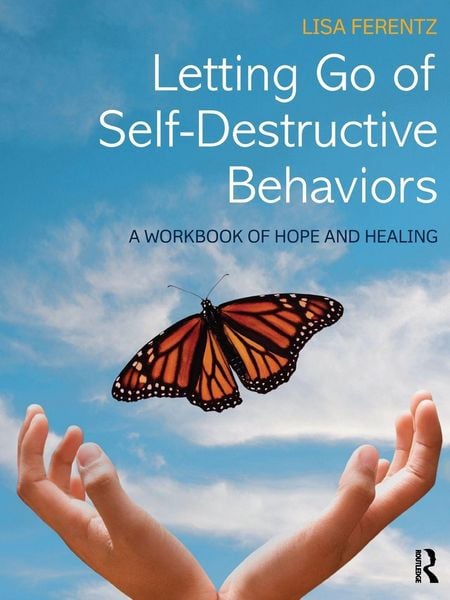
• Produktbild: Letting Go of Self-Destructive Behaviors
  • Produktbild: Letting Go of Self-Destructive Behaviors
- 13%

Letting Go of Self-Destructive Behaviors A Workbook of Hope and Healing

13% sparen

48,99 € UVP 56,90 €

inkl. gesetzl. MwSt., Versandkostenfrei


Beschreibung

Produktdetails

Einband

Taschenbuch

Erscheinungsdatum

16.09.2014

Verlag

Taylor & Francis

Seitenzahl

288

Maße (L/B/H)

28/21/1,6 cm

Gewicht

680 g

Sprache

Englisch

ISBN

978-1-138-80077-9

Beschreibung

Rezension

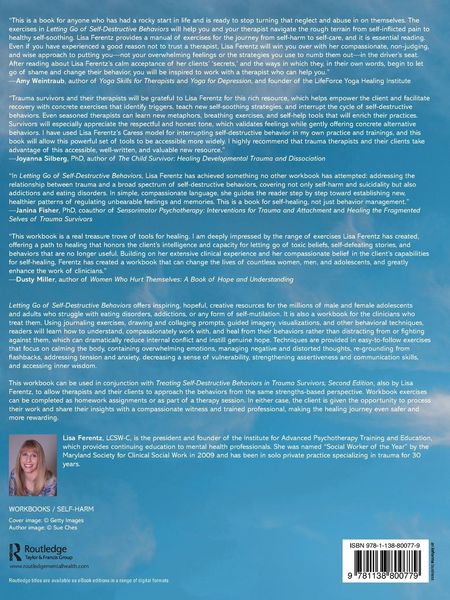
"This is a book for anyone who has had a rocky start in life and is ready to stop turning that neglect and abuse in on themselves. The exercises in Letting Go of Self-Destructive Behaviors will help you and your therapist navigate the rough terrain from self-inflicted pain to healthy self-soothing. Lisa Ferentz provides a manual of exercises for the journey from self-harm to self-care, and it's essential reading. Even if you have experienced a good reason not to trust a therapist, Lisa Ferentz will win you over with her compassionate, non-judging and wise approach to putting you-not your overwhelming feelings or the strategies you use to numb them out-in the driver's seat. After reading about Lisa Ferentz's calm acceptance of her clients' 'secrets,' and the ways in which they, in their own words, begin to let go of shame and change their behavior, you will be inspired to work with a therapist who can help you."

-Amy Weintraub is the author of Yoga Skills for Therapists and Yoga for Depression and is the founder of the LifeForce Yoga Healing Institute

"Trauma survivors and their therapists will be grateful to Lisa Ferentz for this rich resource, which helps empower the client and facilitate recovery with concrete exercises that identify triggers, teach new self-soothing strategies, and interrupt the cycle of self-destructive behaviors. Even seasoned therapists can learn new metaphors, breathing exercises, and self-help tools that will enrich their practices. Survivors will especially appreciate the respectful and honest tone, which validates feelings while gently offering concrete alternative behaviors. I have used Lisa Ferentz's Caress model for interrupting self-destructive behavior in my own practice and trainings, and this book will allow this powerful set of tools to be accessible more widely. I highly recommend that trauma therapists and their clients take advantage of this accessible, well-written, and valuable new resource."

-Joyanna Silberg, PhD, is the author of The Child Survivor: Healing Developmental Trauma and Dissociation

"In Letting Go of Self-Destructive Behaviors, Lisa Ferentz has achieved something no other workbook has attempted: addressing the relationship between trauma and a broad spectrum of self-destructive behaviors, covering not only self-harm and suicidality but also addictions and eating disorders. In simple, compassionate language, she guides the reader step by step toward establishing new, healthier patterns of regulating unbearable feelings and memories. This is a book for self-healing, not just behavior management."

-Janina Fisher, PhD, is coauthor of Sensorimotor Psychotherapy: Interventions for Trauma and Attachment and Healing the Fragmented Selves of Trauma Survivors

"This workbook is a real treasure trove of tools for healing. I am deeply impressed by the range of exercises Lisa Ferentz has created, offering a path to healing that honors the client's intelligence and capacity for letting go of toxic beliefs, self-defeating stories, and behaviors that are no longer useful. Building on her extensive clinical experience and her compassionate belief in the client's capabilities for self-healing, Ferentz has created a workbook that can change the lives of countless women, men, adolescents, and greatly enhance the work of clinicians."

-Dusty Miller is the author of Women Who Hurt Themselves: A Book of Hope and Understanding

"This is an affirming book. When so much of self-harming behavior is cloaked in shame and can stem from a feeling of powerlessness, Ferentz offers wisdom."[Y]ou have power and you have choice," she writes. "You can choose to communicate and self-soothe in ways that are destructive or in ways that are truly effective and healing. This is yours to choose and it will always be your choice."

For therapists, the book offers a rich selection of exercises to use with clients. And for those suffering from self-destructive behaviors themselves, Ferentz can help you develop a better understanding of patterns and move you toward recovery."

-Megan Riddle, Psychcentral.com

Produktdetails

Einband

Taschenbuch

Erscheinungsdatum

16.09.2014

Verlag

Taylor & Francis

Seitenzahl

288

Maße (L/B/H)

28/21/1,6 cm

Gewicht

680 g

Sprache

Englisch

ISBN

978-1-138-80077-9

Herstelleradresse

Libri GmbH
Europaallee 1
36244 Bad Hersfeld
DE

Email: gpsr@libri.de

Kundinnen und Kunden meinen

0 Bewertungen

Informationen zu Bewertungen

Zur Abgabe einer Bewertung ist eine Anmeldung im Konto notwendig. Die Authentizität der Bewertungen wird von uns nicht überprüft. Wir behalten uns vor, Bewertungstexte, die unseren Richtlinien widersprechen, entsprechend zu kürzen oder zu löschen.

Die Bewertungen sind nach Format, Anzahl Sterne und Datum sortiert.

Verfassen Sie die erste Bewertung zu diesem Artikel

Helfen Sie anderen Kund*innen durch Ihre Meinung

Kundinnen und Kunden meinen

0 Bewertungen filtern

Die Leseprobe wird geladen.
  • Produktbild: Letting Go of Self-Destructive Behaviors
  • Produktbild: Letting Go of Self-Destructive Behaviors
  • Foreword Margaret Grimes  I. Tapping into Your Curiosity and Courage  1. Beginning the Journey  2. You Are Not in This Alone  3. The Top 10 Reasons Why a Therapist Can Help  4. Is This Workbook Really Right for Me?  II. Connecting Self-Destructive Behaviors to Past and Present Experiences  5. It's Not Easy Being a Teenager or an Adult!   6. How Trauma Can Lead to Self-Destructive Behaviors  7. Moving Away from the Diagnosis of "I'm Crazy": The Strengths-Based Approach  8. Connecting to Others and Managing Your Emotions  9. What Self-Destructive Behaviors REALLY Mean  III. Why "Letting Go: Is Hard to Do: The Cycle of Self-Harm  10. Learning about the "Cycle" of Self-Destructive Behaviors  11. What Sets the Cycle in Motion?  12. Understanding Negative Thoughts and Feelings  13. Experiencing Tension and Anxiety   14. What Happens When You "Zone Out" and Don't Feel Pain  15. Engaging in Acts of Self-Harm  16. Why it Works in the Short-Term  17. Why it Doesn't Work in the Long-Term  18. How Feeling Bad Leads to More Pain  IV. Working With and Moving Beyond Self-Destructive Behaviors  19. Working with the Cycle of Self-Destructive Behaviors  20. Treating the Triggers  21. Dealing with Negative Thoughts  22. Managing Negative Feelings  23. Addressing Tension and Anxiety  24. Learning to Stay Present  25. Using CARESS  26. Honoring the Positive Outcomes  27. Finding the Courage to Say This Isn't Working  28. Being Compassionate When You Are Feeling Vulnerable  29. On Your Road to Recovery  Glossary  Index