• Produktbild: The Effective Change Manager's Handbook
  • Produktbild: The Effective Change Manager's Handbook

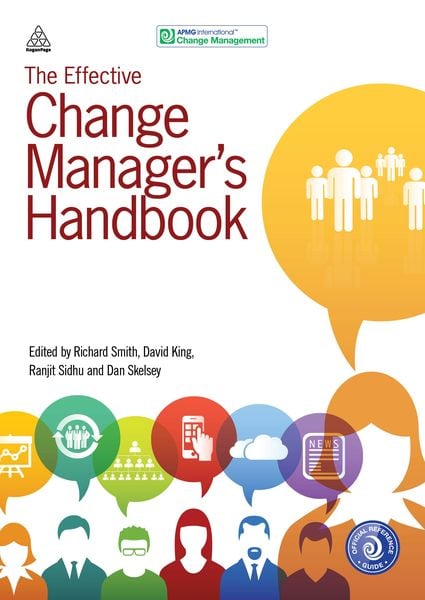
The Effective Change Manager's Handbook Essential Guidance to the Change Management Body of Knowledge

59,99 €

inkl. gesetzl. MwSt., Versandkostenfrei


Beschreibung

Produktdetails

Verkaufsrang

34043

Einband

Taschenbuch

Erscheinungsdatum

03.11.2014

Herausgeber

Richard Smith + weitere

Verlag

Kogan Page Ltd

Seitenzahl

632

Maße (L/B/H)

24,4/17/3,4 cm

Gewicht

1074 g

Farbe

Weiß / Senf

Auflage

1

Sprache

Englisch

ISBN

978-0-7494-7307-5

Beschreibung

Rezension

"This is a book which would be of principal benefit to people who are beginning to be more responsible for managing significant changes in their organisations. It would also be very useful to anyone further along the path into more senior roles, since it reviews and puts into a practical context a wide range of change, behavioural and management theories.... The book is full of well-researched and academically tested information and practical guidance from successful change managers.... 5 stars: Exceptional, a "must read" for any manager or leader." ("Quentin Kopp for the Chartered Management Institute Book Club")
"It... includes numerous charts, graphs, and case studies in the course of exploring a change manager's processes. References and insights into how change management concepts can be applied across the board to a wide variety of scenarios makes this a solid reference." ("California Bookwatch, The Business Shelf, Midwest Book Review")

Produktdetails

Verkaufsrang

34043

Einband

Taschenbuch

Erscheinungsdatum

03.11.2014

Herausgeber

Verlag

Kogan Page Ltd

Seitenzahl

632

Maße (L/B/H)

24,4/17/3,4 cm

Gewicht

1074 g

Farbe

Weiß / Senf

Auflage

1

Sprache

Englisch

ISBN

978-0-7494-7307-5

Herstelleradresse

Libri GmbH
Europaallee 1
36244 Bad Hersfeld
DE

Email: gpsr@libri.de

Kundinnen und Kunden meinen

0 Bewertungen

Informationen zu Bewertungen

Zur Abgabe einer Bewertung ist eine Anmeldung im Konto notwendig. Die Authentizität der Bewertungen wird von uns nicht überprüft. Wir behalten uns vor, Bewertungstexte, die unseren Richtlinien widersprechen, entsprechend zu kürzen oder zu löschen.

Die Bewertungen sind nach Format, Anzahl Sterne und Datum sortiert.

Verfassen Sie die erste Bewertung zu diesem Artikel

Helfen Sie anderen Kund*innen durch Ihre Meinung

Kundinnen und Kunden meinen

0 Bewertungen filtern

Die Leseprobe wird geladen.
  • Produktbild: The Effective Change Manager's Handbook
  • Produktbild: The Effective Change Manager's Handbook
  • Preface - Change management in context
    Who is this book for?
    Editorial and practical information about this book
    Those who have made this book possible
    Author biographies

    01 A change management perspective
    Richard Smith
    Introduction
    Section A: Why change management matters
    Introduction
    1. Organizations' experiences of change
    2. Factors contributing to success in change management
    3. Preparing the organization and seeing it through
    Summary
    Further reading
    Section B: Change and the individual
    Introduction
    1. The impact of the 'change curve'
    2. Starting with 'endings'
    3. Why do people embrace or resist change - motivation
    4. Why people embrace or resist change - individual differences
    5. Why people embrace or resist change - some findings from neuroscience
    6. A word about resistance to change
    Summary
    Further reading
    Section C: Change and the organization
    Introduction
    1. How we think about organizations
    2. Models of the change process
    3. Types of organization change
    4. Factors that help/hinder change
    Summary
    Further reading
    Section D: Key roles in organizational change
    Introduction
    1. Lifecycle of a successful change
    2. What makes a good sponsor?
    3. What makes a good change agent?
    4. Change management and job titles
    5. The key role of line management
    6. Team structures and change
    Summary
    Further reading
    Section E: Organizational culture and change
    Introduction
    1. What we mean by 'organizational culture'
    2. Key dimensions of culture
    3. Relating 'culture' to types of change
    4. Leadership and culture
    Summary
    Further reading
    Section F: Emergent change
    Introduction
    1. The roots of 'emergent change'
    2. Change situations that require an emergent approach
    3. Defining and moving towards a 'future state'
    Summary
    Further reading
    References

    02 Defining change
    Robert Cole, David King, and Rod Sowden
    Introduction
    Section A: Aligning change with strategy
    Robert Cole
    Introduction
    1. Background to strategy development
    2. The far environment
    3. The near environment
    4. Business modelling
    5. Strategic delivery processes
    6. Strategy and change
    Summary
    Section B: Drivers of change
    Robert Cole
    Introduction
    1. The strategic context
    2. Change analysis
    3. Strategic change plan
    4. Systems approach to change
    5. Monitoring the external environment
    6. Initial stakeholder engagement
    Summary
    Section C: Developing vision
    David King and Rod Sowden
    Introduction
    1. Viewpoints and perspectives of change
    2. Developing a vision for change
    3. Understanding and validating the vision
    Summary
    Section D: Change definition
    David King
    Introduction
    1. Conceptual models of the future state
    2. Change requirements - capability analysis
    3. Assessing the impact of change
    4. Problems and concerns arising from change
    Summary
    Further reading
    References

    03 Managing benefits: Ensuring change delivers value
    Stephen Jenner
    Introduction
    Section A: Benefits management principles and processes
    Introduction
    1. Benefits management processes
    2. Benefits management principles
    Summary
    Section B: Benefits identification, mapping and analysis
    Introduction
    1. Benefits identification
    2. Quantifying benefits
    3. Completing the benefit profile
    4. Benefits and the business case
    Summary
    Section C: Planning benefits realization
    Introduction
    1. Financial analysis
    2. Benefits validation
    3. Benefits prioritization
    4. Baselining
    5. Assessing change readiness
    6. Identifying threats to benefits optimization
    7. The benefits realization plan
    8. The role of the change manager with regard to benefits management
    Summary
    Section D: Supporting benefits realization
    Introduction
    1. Transition management
    2. Measuring and reporting on benefits realization
    3. Identifying when intervention action is required
    Summary
    Further reading
    References

    04 Stakeholder strategy
    Patrick Mayfield
    Introduction
    Section A: Identifying and segmenting stakeholders
    Introduction
    1. Identifying stakeholders
    2. Segmenting stakeholders
    3. Scoping engagement
    Summary
    Section B: Stakeholder mapping and strategy
    Introduction
    1. Stakeholder characteristics
    2. Stakeholder interests
    3. Power mapping
    4. Attitude to the change/to you
    5. Wins and losses
    6. Readiness and resistance
    7. Measuring ability
    8. Profiling stakeholders
    9. Personas and empathy maps
    10. Stakeholder radar
    11. Mapping in two dimensions
    12. Determining engagement roles and responsibilities
    13. Stakeholder strategy document
    Summary
    Section C: Managing relationships and mobilizing stakeholders
    Introduction
    1. Influencing strategies
    2. Listening as a means of mobilization
    3. The power of empathy and the other-perspective
    4. Inertia and disconfirmation
    5. Conversation in mobilization
    6. Lead with meaning and emotion
    7. Resistance to change as a key focus
    8. Collaboration
    9. Influencing through demonstration
    Summary
    Further reading
    References

    05 Communication and engagement
    Ranjit Sidhu
    Introduction
    Section A: Theory of effective communicating
    Introduction
    1. Basics of communication theory
    2. Cognitive biases - the human dimension in communication
    3. The need for feedback mechanisms
    4. Interpersonal and mass communication
    5. One-way versus two-way communication approaches
    6. Role of communication to achieve engagement
    Summary
    Section B: Communicating change
    Introduction
    1. The emotional impact of change
    2. Maintaining a people-focused approach to communication
    3. Barriers to effective communication
    4. Improving communication effectiveness
    5. Encouraging engagement by appealing to hearts and minds
    Summary
    Section C: Communication channels
    Introduction
    1. Lean and rich communication channels
    2. Three of the most essential channels
    3. Fostering collaboration
    Summary
    Section D: Communication planning
    Introduction
    1. Developing a communication strategy for change
    2. Developing the communications plan (when and how we will make it happen)
    Summary
    Section E: Monitoring and evaluating communication effectiveness
    Introduction
    1. Deciding what to measure
    2. Capturing data
    3. Monitoring and evaluating data
    4. Reporting results and improving engagement
    Summary
    Further reading
    References

    06 Change impact
    Caroline Perkins
    Introduction
    Section A: Assessing the impact of change
    Introduction
    1. Identifying change impacts
    2. Change severity assessment
    Summary
    Section B: Assessing and managing the risks of change
    Introduction
    1. Organizational risk management
    2. Change risk register
    3. Risk analysis
    4. Mitigating actions
    5. Communicating change risks
    Summary
    Section C: Business continuity and contingency during change
    Introduction
    1. Business continuity planning
    2. BCP and the change process
    Summary
    Further reading
    References

    07 Change readiness, planning and measurement
    Nicola Busby
    Introduction
    Section A: Building individual motivation to change
    Introduction: building and sustaining commitment to change
    1. Why work with individuals during change?
    2. Expectancy theory and change
    3. Increasing motivation for change
    4. How to work with individuals in large changes
    Summary
    Further reading
    Section B: Building organizational readiness for change
    Introduction: the capability, capacity and belief to see change through
    1. Factors that influence readiness for change and how to assess them
    2. Laying the foundations for a successful change
    3. Developing a change management plan
    Summary
    Further reading
    Section C: Preparing for resistance
    Introduction: understanding that challenges are to be expected
    1. The 'psychological contract'
    2. Common causes of resistance
    3. Identifying likely areas of resistance
    4. Types of resistance and symptoms to look out for
    5. Common considerations for building a strategy to manage resistance
    6. Supporting managers and supervisors
    7. Building and sustaining momentum
    Summary
    Further reading
    Section D: Measuring change effectiveness
    Introduction: 'taking the temperature' and tracking progress
    1. Measures of engagement
    2. Methods of capturing information
    3. Presenting data on employee engagement
    Summary
    Further reading
    References

    08 Project management: Change initiatives, projects and programmes
    Ira Blake
    Introduction
    Section A: Change within project governance structures
    Introduction
    1. Understanding the project environment
    2. Project management tools
    3. Identifying key roles and owners
    Summary
    Section B: Establishing a project
    Introduction
    1. Project set-up phase
    2. Establishing the project team
    3. Establishing the change management workstream
    Summary
    Section C: Delivering a project
    Introduction
    1. Definition phase
    2. Implementation phase
    3. Change management delivery
    Summary
    Section D: Project completion and transition
    Introduction
    1. Project completion
    2. Business ownership of change
    3. Transition to business as usual
    Summary
    Further reading
    References

    09 Education and learning support
    Richard Smith
    Introduction
    Section A: Learning theory and skills development
    Introduction
    1. The roots of learning theory
    2. Learning and effective instruction
    3. Learning and the individual learner
    4. The learning process, performance and pressure
    5. Attitudes - beyond skills and knowledge
    Summary
    Further reading
    Section B: Identifying and meeting learning needs
    Introduction
    1. Identifying and analysing the needs (KSAs)
    2. Job analysis
    3. Training planning (with L&D - collaboration is ideal)
    4. Learning design and channels
    5. Evaluating learning
    Summary
    Further reading
    Section C: Behavioural change and coaching
    Introduction
    1. Active listening in coaching and change
    2. The role of feedback in behavioural change
    3. Understanding coaching
    4. Coaching and the change manager
    Summary
    Further reading
    References

    10 Facilitation
    Dan Skelsey
    Introduction
    Section A: the role of the facilitator and the skills required
    Introduction
    1. The role of the facilitator
    2. Techniques of questioning
    Summary
    Section B: Preparing a group process
    Introduction
    1. Factors to be considered
    2. Purpose - setting objectives
    3. Product - techniques for capturing and organizing the information in a session
    4. Participants - selecting and preparing participants
    5. Participants - external facilitators
    6. Process - creating an agenda
    7. Place - selecting and preparing the venue
    8. Practical tools - technology in physical meetings
    9. Probable issues - what if?
    Summary
    Section C: Facilitating a group process
    Introduction
    1. Opening a session
    2. Watching for group dynamics
    3. Personality types and how they react in group settings
    4. Techniques for intervening
    5. Changing the agenda
    6. Closing a session
    Summary
    Section D: Virtual meetings
    Introduction
    1. Selecting the technology
    2. Issues in virtual meetings
    Summary
    Section E: Facilitation structures and techniques
    Introduction
    1. Basic principles
    2. Structures
    3. Techniques for building information
    4. Techniques for prioritizing, decision making and reaching a consensus
    5. Approaches to larger workshops
    Summary
    Further reading
    References

    11 Sustaining change
    Helen Campbell
    Introduction
    Section A: Sustaining change concepts
    1. Concept of 'fit'
    2. Systems thinking
    3. Levers and leverage
    4. Levels of adoption
    5. Tipping point and critical mass
    6. Reinforcing systems
    7. Measuring change adoption
    8. Transition management
    Summary
    Section B: Useful checklists and tools
    1. Planning to sustain change
    2. Managing the transition
    3. Adopting and embedding change - making it stick and keeping it stuck
    4. Change management tool - sustaining change
    Summary
    Further reading
    References

    12 Personal and professional management
    Ray Wicks
    Introduction
    Section A: Leadership principles
    Introduction
    1. Personal effectiveness
    2. Self-awareness: putting yourself in the picture
    3. Leadership and authenticity
    4. Leadership approaches
    5. Problem solving and creative thinking
    Summary
    Further reading
    Section B: Building team effectiveness
    Introduction
    1. Stages of team development
    2. Developing an effective team
    3. Balancing focus on results with effective people management
    4. Overcoming the dysfunctions of a team
    5. Working with a changing team or context
    6. Leading virtual teams
    Summary
    Further reading
    Section C: Emotional intelligence
    Introduction
    1. What is emotional intelligence?
    2. Can I learn emotional intelligence?
    3. Resilience
    4. The emotionally intelligent change manager
    Summary
    Further reading
    Section D: Effective influence
    Introduction
    1. Sources of power
    2. Influencing styles and approaches
    3. Influencing models
    Summary
    Further reading
    Section E: Negotiating
    Introduction
    1. Defining negotiation
    2. Approaches to negotiation
    3. Phases of negotiation
    4. Conducting negotiations
    5. Emotionally intelligent negotiating
    6. Cultural impacts on negotiation strategies
    Summary
    Further reading
    Section F: Conflict management
    Introduction
    1. What does conflict mean?
    2. Sources of conflict
    3. Conflict resolution versus conflict management
    4. Maximizing the positive aspects of conflict
    5. Knowing your preferred style
    6. The effects of each conflict management style
    Summary
    Further reading
    References

    13 Organizational considerations
    Tim Cole, Martin Lunn, Una McGarvie, and Eric Rouhof
    Introduction
    Section A: The change manager and Human Resources (HR)
    Una McGarvie
    Introduction
    1. Engaging with HR
    2. Understanding how HR is organized
    3. Employment legislation and change management
    4. Change management and HR policy
    5. Employee relations
    6. The impact of organizational design
    7. Using HR expertise to embed change
    Summary
    Further reading
    References
    Section B: Safety, health and environment issues in change
    Eric Rouhof
    Introduction
    1. What is SHE to an organization?
    2. SHE management
    3. How does change management interact with SHE?
    4. Managing SHE during change
    Summary
    Further reading
    References
    Section C: Process optimization in organizations
    Martin Lunn
    Introduction
    1. Process mapping
    2. Mapping techniques
    3. Interpretation of process maps
    4. The value of a specialist in process mapping
    Summary
    Further reading
    Section D: Financial management for change managers
    Tim Cole
    Introduction
    1. An introduction, a picture and some common terms
    2. How financial information is reported
    3. Planning the organization's finances
    4. The value of a change initiative
    Summary
    Further reading
    References

    Index