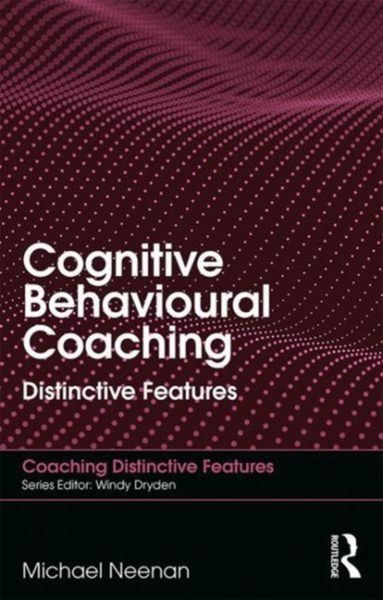
Cognitive Behavioural Coaching Distinctive Features
-
- Hardcover
- Taschenbuch ausgewählt
- eBook
-
Sprache:Englisch
29,99 €
inkl. gesetzl. MwSt.,
Beschreibung
Produktdetails
Einband
Taschenbuch
Erscheinungsdatum
19.03.2018
Abbildungen
4 SW-Abb., 4 Tabellen
Verlag
Taylor & FrancisSeitenzahl
132
Maße (L/B/H)
18,3/14/1 cm
Gewicht
136 g
Sprache
Englisch
ISBN
978-0-8153-9343-6
Michael Neenan clearly and accessibly introduces the 30 Distinctive Features of cognitive behavioural coaching (CBC), an approach which applies the principles of CBT to coaching.
Cognitive Behavioural Coaching: Distinctive Features sets out the key theoretical and practical features of CBT and discusses how they integrate into the generic model of coaching. The book covers the four key elements in developing a coaching relationship, provides psychological and practical problem-solving models, shows how to deal with stuck points in coaching and identifies which individuals are unsuitable for CBC. As well as providing research evidence to support the effectiveness of CBC, the book demonstrates the smooth transition of CBT into CBC, and coach-coachee dialogues are interspersed throughout the text to show CBC in action.
Cognitive Behavioural Coaching: Distinctive Features will be particularly useful to CBT therapists interested in adding coaching to their practice. It will also appeal to coaches in practice and in training and other professionals in coaching roles seeking an effective and straightforward coaching model.
Noch keine Bewertungen vorhanden
Verfassen Sie die erste Bewertung zu diesem Artikel
Helfen Sie anderen Kundinnen und Kunden durch Ihre Meinung.
Kurze Frage zu unserer Seite
Vielen Dank für Ihr Feedback
Wir nutzen Ihr Feedback, um unsere Produktseiten zu verbessern. Bitte haben Sie Verständnis, dass wir Ihnen keine Rückmeldung geben können. Falls Sie Kontakt mit uns aufnehmen möchten, können Sie sich aber gerne an unseren Kund*innenservice wenden.
zum Kundenservice