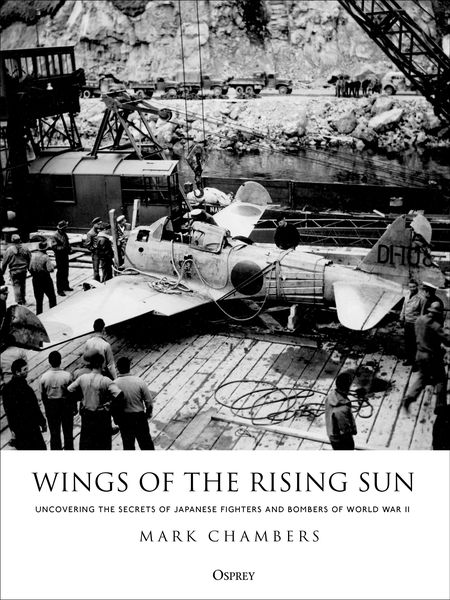
Wings of the Rising Sun Uncovering the Secrets of Japanese Fighters and Bombers of World War II
37,99 €
inkl. gesetzl. MwSt.,
Beschreibung
Produktdetails
Einband
Gebundene Ausgabe
Erscheinungsdatum
29.11.2018
Verlag
Bloomsbury AcademicSeitenzahl
336
Maße (L/B/H)
25,1/20/3,7 cm
Gewicht
1338 g
Sprache
Englisch
ISBN
978-1-4728-2373-1
A fascinating insight into how the Allies learned about the capabilities and limitations of the Imperial Japanese Naval Air Force and Japanese Army Air Force through flight testing and evaluation of enemy equipment. In the Pacific War's early years, Japanese air power was dominant. The only way for the Allies to defeat their enemy was to know it. This made the task of maintaining productive intelligence gathering efforts on Japan imperative. Establishing Technical Air Intelligence Units in the Pacific Theatre and the Technical Air Intelligence Center in Washington DC, the Allies were able to begin to reveal the secrets of Japanese air power through extensive flight testing and evaluation of captured enemy aircraft and equipment. These provided an illuminating perspective on Japanese aircraft and aerial weapon design philosophy and manufacturing practice. Fully illustrated throughout with a wealth of previously unpublished photographs, Mark Chambers explores Allied efforts to evaluate the strengths and weaknesses of Japanese air power during the war years, and how this intelligence helped them achieve victory in the Pacific.
Kundinnen und Kunden meinen
Verfassen Sie die erste Bewertung zu diesem Artikel
Helfen Sie anderen Kund*innen durch Ihre Meinung
Kurze Frage zu unserer Seite
Vielen Dank für Ihr Feedback
Wir nutzen Ihr Feedback, um unsere Produktseiten zu verbessern. Bitte haben Sie Verständnis, dass wir Ihnen keine Rückmeldung geben können. Falls Sie Kontakt mit uns aufnehmen möchten, können Sie sich aber gerne an unseren Kund*innenservice wenden.
zum Kundenservice