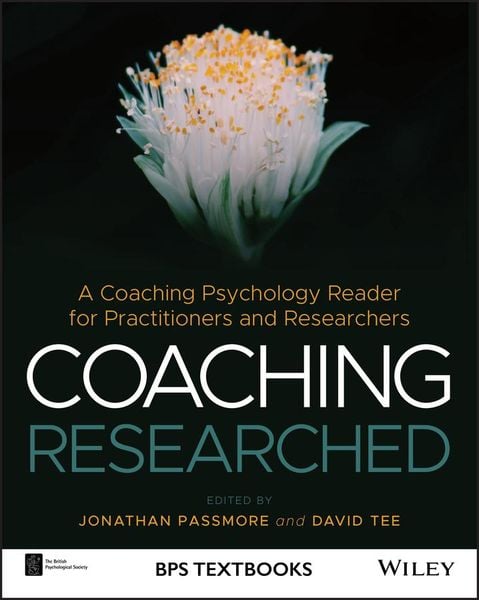
Coaching Researched A Coaching Psychology Reader for Practitioners and Researchers
-
- Taschenbuch ausgewählt
- eBook
-
Sprache:Englisch
58,99 €
inkl. gesetzl. MwSt.,
Beschreibung
Produktdetails
Einband
Taschenbuch
Erscheinungsdatum
03.12.2020
Herausgeber
Passmore Jonathan + weitereVerlag
John Wiley & SonsSeitenzahl
464
Maße (L/B/H)
23,1/18,3/3,3 cm
Gewicht
703 g
Auflage
1. Auflage
Sprache
Englisch
ISBN
978-1-119-65688-3
Coaching Researched: Using Coaching Psychology to Inform Your Research and Practice brings together in one authoritative volume a collection to the most noteworthy papers from the past 15 years from the journal International Coaching Psychology Review. Firmly grounded in evidence-based practice, the writings are appropriate for the burgeoning number of coaching researchers and practitioners in business, health, and education.
The contributors offer a scientific framework to support coaching's pedagogy and they cover the sub-specialties of the practice including executive, health, and life coaching. The book provides a comparative analysis in order to differentiate coaching from other practices. Comprehensive in scope, the book covers a wide-range of topics including: the nature of coaching, coaching theory, insights from recent research, a review of various coaching methods, and thoughts on the future of coaching. This important book:
* Offers a collection of the most relevant research in the last 15 years with commentary from the International Coaching Psychology Review journal's chief editor
* Contains information on both the theory and practice of the profession
* Includes content on topics such as clients and coaching, an integrated model of coaching, evidence-based life coaching, and much more
* Presents insights on the future of coaching research
Written for students, researchers, practitioners of coaching in all areas of practice, Coaching Researched offers an accessible volume to the most current evidenced-based practice and research.
Noch keine Bewertungen vorhanden
Verfassen Sie die erste Bewertung zu diesem Artikel
Helfen Sie anderen Kundinnen und Kunden durch Ihre Meinung.
Kurze Frage zu unserer Seite
Vielen Dank für Ihr Feedback
Wir nutzen Ihr Feedback, um unsere Produktseiten zu verbessern. Bitte haben Sie Verständnis, dass wir Ihnen keine Rückmeldung geben können. Falls Sie Kontakt mit uns aufnehmen möchten, können Sie sich aber gerne an unseren Kund*innenservice wenden.
zum Kundenservice