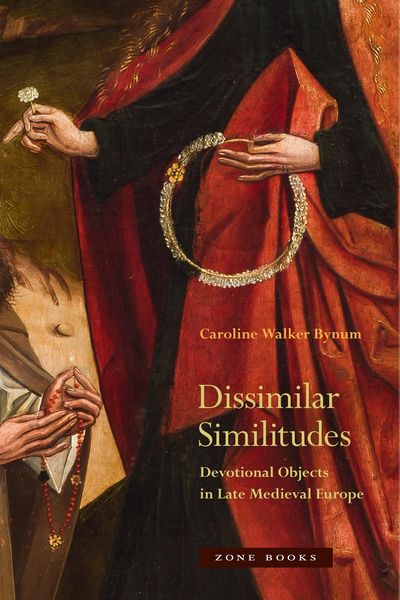
Dissimilar Similitudes Devotional Objects in Late Medieval Europe
-
- Hardcover
- Taschenbuch
- eBook ausgewählt
-
Form:Einzelkauf Download
-
Sprache:Englisch
34,49 €
inkl. gesetzl. MwSt.Beschreibung
Produktdetails
Format
ePUB
Kopierschutz
Nein
Family Sharing
Nein
Text-to-Speech
Ja
Erscheinungsdatum
29.09.2020
Verlag
Zone BooksSeitenzahl
344 (Printausgabe)
Sprache
Englisch
EAN
9781942130383
From an acclaimed historian, a mesmerizing account of how medieval European Christians envisioned the paradoxical nature of holy objects
Between the twelfth and the sixteenth centuries, European Christians used a plethora of objects in worship, not only prayer books, statues, and paintings but also pieces of natural materials, such as stones and earth, considered to carry holiness, dolls representing Jesus and Mary, and even bits of consecrated bread and wine thought to be miraculously preserved flesh and blood. Theologians and ordinary worshippers alike explained, utilized, justified, and warned against some of these objects, which could carry with them both anti-Semitic charges and the glorious promise of heaven. Their proliferation and the reaction against them form a crucial background to the European-wide movements we know today as "reformations" (both Protestant and Catholic).
In a set of independent but interrelated essays, Caroline Bynum considers some examples of such holy things, among them beds for the baby Jesus, the headdresses of medieval nuns, and the footprints of Christ carried home from the Holy Land by pilgrims in patterns cut to their shape or their measurement in lengths of string. Building on and going beyond her well-received work on the history of materiality, Bynum makes two arguments, one substantive, the other methodological. First, she demonstrates that the objects themselves communicate a paradox of dissimilar similitude-that is, that in their very details they both image the glory of heaven and make clear that that heaven is beyond any representation in earthly things. Second, she uses the theme of likeness and unlikeness to interrogate current practices of comparative history. Suggesting that contemporary students of religion, art, and culture should avoid comparing things that merely "look alike," she proposes that humanists turn instead to comparing across cultures the disparate and perhaps visually dissimilar objects in which worshippers as well as theorists locate the "other" that gives religion enduring power.
Noch keine Bewertungen vorhanden
Verfassen Sie die erste Bewertung zu diesem Artikel
Helfen Sie anderen Kundinnen und Kunden durch Ihre Meinung.
Kurze Frage zu unserer Seite
Vielen Dank für Ihr Feedback
Wir nutzen Ihr Feedback, um unsere Produktseiten zu verbessern. Bitte haben Sie Verständnis, dass wir Ihnen keine Rückmeldung geben können. Falls Sie Kontakt mit uns aufnehmen möchten, können Sie sich aber gerne an unseren Kund*innenservice wenden.
zum Kundenservice