Gutscheinbedingungen

Gültig bis 13.07.2026 | Gültig für Spielzeug (außer Tonieboxen & ausgewählte Tonies), Filme, Musik, Software, Games, Schreibwaren, Hörbücher und Hörbuch-Downloads (außer Abo & Shelfies), gebrauchte Bücher, nicht preisgebundene Bücher und Kalender | Einlösbar unter osiander.de und in der Osiander App | Click & Collect nur mit Online-Zahlung (Paypal/Kreditkarte) vorab | Einzelne Artikel können ausgeschlossen sein | Nicht kombinierbar mit anderen Gutscheinen oder Preisaktionen | Nur einmal pro Einkauf einlösbar | Gutschein wird auf max. 500€ Bestellwert angerechnet | Keine Barauszahlung | Digitale Hörbücher nur für Android | Nicht gültig für preisgebundene Artikel (aufgrund der Buchpreisbindung sind Gutscheine nicht auf Bücher, eBooks, Presse einlösbar), tolino eReader & Zubehör, Elektronik, Geschenke & Trends, Abonnements & Flatrates, Geschenkkarten, Versandkosten und Services

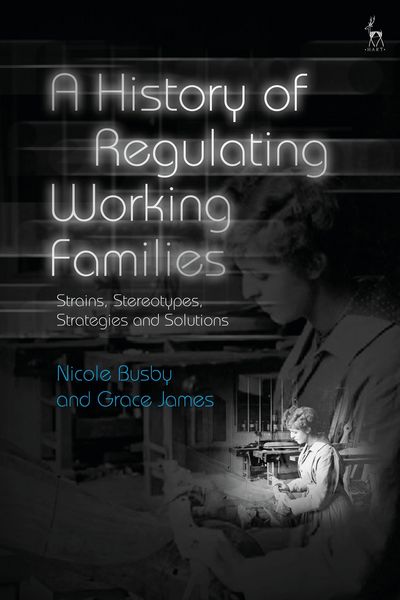
  • Produktbild: A History of Regulating Working Families
  • Produktbild: A History of Regulating Working Families

A History of Regulating Working Families Strains, Stereotypes, Strategies and Solutions

39,99 €

inkl. gesetzl. MwSt., Versandkostenfrei


Produktdetails

Einband

Taschenbuch

Erscheinungsdatum

24.02.2022

Verlag

Hart Publishing

Seitenzahl

186

Maße (L/B/H)

23,4/15,6/1 cm

Gewicht

270 g

Sprache

Englisch

ISBN

978-1-5099-4345-6

Produktdetails

Einband

Taschenbuch

Erscheinungsdatum

24.02.2022

Verlag

Hart Publishing

Seitenzahl

186

Maße (L/B/H)

23,4/15,6/1 cm

Gewicht

270 g

Sprache

Englisch

ISBN

978-1-5099-4345-6

Herstelleradresse

Libri GmbH
Europaallee 1
36244 Bad Hersfeld
DE

Email: GPSR Kontakt

Noch keine Bewertungen vorhanden

Verfassen Sie die erste Bewertung zu diesem Artikel

Helfen Sie anderen Kundinnen und Kunden durch Ihre Meinung.

Kundinnen und Kunden meinen

Bewertungen (0)

Die Leseprobe wird geladen.
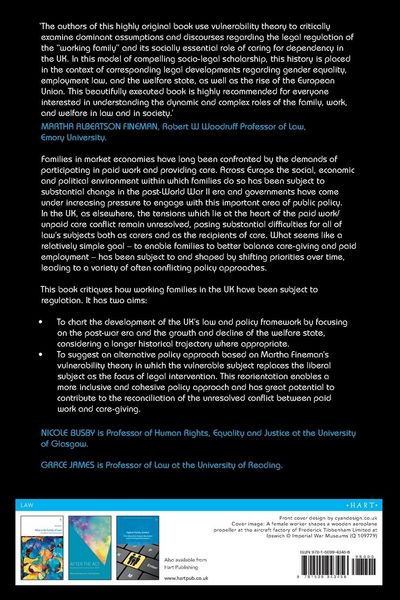
  • Produktbild: A History of Regulating Working Families
  • Produktbild: A History of Regulating Working Families
  • 1. Introduction
    I. Scope and Aims
    II. Key Definitions
    A. The Family
    B. Care Work
    C. Dependency
    III. Theoretical Underpinnings: Vulnerability
    A. The Vulnerable Subject
    B. Institutions and Relationships
    C. A Responsive State
    IV. Context
    V. Methodology and Structure
    2. Women and Work
    I. Introduction
    II. Private Work, Public Work and the Standard Worker Model
    A. The Sexual Contract
    B. The Industrial Revolution
    III. Women's Work in Wartime
    A. Paid Work and State Childcare
    B. Women's Paid Work in the Post-war Era
    C. Change or Continuity?
    IV. The 1960s and 1970s: The Fight for Equality
    A. The Limits of Formal Equality
    B. Same or Different?
    C. Indirect Discrimination
    D. The Rise of the Lone Parent Household
    V. The 1980s and 1990s: The Flexible Workforce
    A. Part-time Work and Legal Protections
    VI. New Labour: The Birth of 'Family-Friendly' Employment Policy
    A. The Place of Care
    VII. Post-2010: Work-Family Balance in an Age of Austerity
    VIII. Imagining the Future: Vulnerability Theory and Women's Work
    IX. Conclusions
    3. Mothers and Fathers
    I. Introduction
    II. Contextualising Reconciliation Policy
    A. Class Divisions in 1940s Nursery Provision
    B. Home and Hearth: The 1950s Housewife
    C. Industrial Relations and Legal Abstentionism
    III. The Emergence of a Reconciliation Framework
    A. The Pregnant Workers Directive
    B. Towards a 'Family-Friendly' Approach
    IV. New Labour: Continuity and Change
    A. Working Time and Family Time
    B. Parental Rights, Maternity Rights
    C. Competitiveness and Choice?
    V. The Current Framework
    A. Dominant Ideologies in the UK's Current WFB Framework
    VI. Work and Families: The Call for Change
    A. Working Families in the UK
    B. An Alternative Approach to Dependency and Care?
    VII. Conclusions
    4. Children's Welfare
    I. Introduction
    II. The Demise of Paid Child Labour
    A. Legislative Intervention
    III. The Importance of Education
    A. Compulsory Education
    B. The Long-term Impact on 'Children'
    IV. State Acceptance of (Limited) Responsibility for Child Welfare
    A. Interventions
    V. Children's Welfare in the Current WFB Framework and the Appeal of Vulnerability Theory
    A. The Current WFB Framework
    B. Vulnerability Theory and Children's Welfare
    VI. Conclusions
    5. Eldercare
    I. Introduction
    II. A History of Ageing and Eldercare
    A. Pre 1940s: Early Ideals of Autonomy
    B. 1940s, 50s and 60s: A New 'Discourse of Differentiation'
    C. 1970s and 1980s: The Unravelling of State Support
    D. 1990s to Present
    III. Current WFB Rights for Working Carers and the Appeal of a Vulnerability Approach
    A. The WFB Provisions
    B. A Vulnerability Approach to Eldercare
    IV. Conclusions
    6. Conclusions: Strains, Stereotypes, Strategies and Solutions
    I. Introduction
    II. The Subject of Regulation
    A. The Fictive Liberal Subject
    III. Institutions and Relationships
    A. The Vilification of Dependency
    IV. The Role of the State
    A. The Mythology of the Market Order
    V. The Application of a Vulnerability Approach