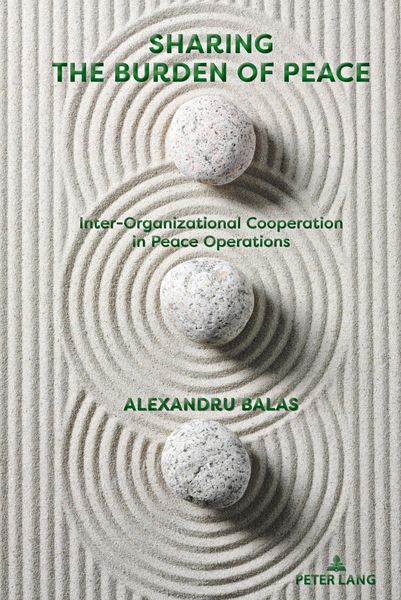
Sharing the Burden of Peace Inter-Organizational Cooperation in Peace Operations
-
Form:Einzelkauf Download
-
Sprache:Englisch
-
eBook Format:ePUB
- PDF 101,99 €
- ePUB 101,99 € ausgewählt
101,99 €
inkl. gesetzl. MwSt.Beschreibung
Produktdetails
Format
ePUB
Kopierschutz
Ja
Family Sharing
Nein
Text-to-Speech
Ja
Erscheinungsdatum
13.04.2022
Verlag
Peter Lang Inc., International Academic PublishersSeitenzahl
172 (Printausgabe)
Dateigröße
5572 KB
Auflage
1. Auflage
Sprache
Englisch
EAN
9781433195723
Most peace operations (60%) were deployed in conflicts in which other international organizations' peace operations were active at the same time. Multiple simultaneous peace operations increased from around 10% of all peace operations in 1992 to almost 60% of all peace operations. The author defines two or more peace operations deployed by international organizations at the same time, in the same conflicts as multiple simultaneous peace operations (MSPOs). We have little understanding of why we observe international organizations (IOs) deployed at the same time, in the same conflicts, and increasingly cooperating with each other to address these conflicts. This book asks the question: What factors determine cooperation between international organizations in peace operations? The author tests several rational and social constructivist explanations introducing an innovative collective principals-multiple agents framework. There are three rational-interest explanations for inter-organizational cooperation tested (resources, complementarity, and conflict complexity) and three social-constructivist explanations (social learning, security cultures similarity, and personnel nationality similarity). The research design is a multi-method approach, using statistical analysis from the author's new datasets on multiple simultaneous peace operations, data from interviews with EU officials, and case studies. There are two stages for the initiation of inter-organizational cooperation: the member-states' acquiescence and the international organizations' cooperation. At the first stage of cooperation, member-states are acquiescent to inter-organizational cooperation. At the second stage, the findings show that international organizations cooperate because they want to share the financial and human resources costs, and second, because they want to complement each other's work.
Noch keine Bewertungen vorhanden
Verfassen Sie die erste Bewertung zu diesem Artikel
Helfen Sie anderen Kundinnen und Kunden durch Ihre Meinung.
Kurze Frage zu unserer Seite
Vielen Dank für Ihr Feedback
Wir nutzen Ihr Feedback, um unsere Produktseiten zu verbessern. Bitte haben Sie Verständnis, dass wir Ihnen keine Rückmeldung geben können. Falls Sie Kontakt mit uns aufnehmen möchten, können Sie sich aber gerne an unseren Kund*innenservice wenden.
zum Kundenservice