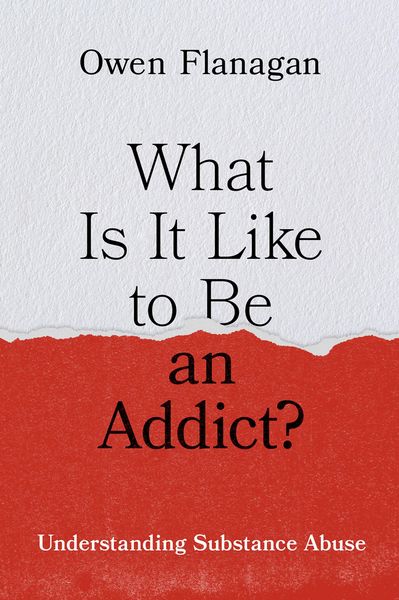
What Is It Like to Be an Addict? Understanding Substance Abuse
23,99 €
inkl. gesetzl. MwSt.,
Beschreibung
Produktdetails
Einband
Gebundene Ausgabe
Erscheinungsdatum
24.04.2025
Verlag
Oxford University PressSeitenzahl
300
Maße (L/B/H)
21,3/14,6/3,1 cm
Gewicht
440 g
Sprache
Englisch
ISBN
978-0-19-938892-9
A powerful and important exploration of how addiction functions on social, psychological and biological levels, integrated with the experience of being an addict, from an acclaimed philosopher and former addict.
What is addiction? Theories about what kind of thing addiction is are sharply divided between those who see it purely as a brain disorder, and those who conceive of it in psychological and social terms. Owen Flanagan, an acclaimed philosopher of mind and ethics, offers a state-of-the-art assessment of addiction science and proposes a new ecumenical model for understanding and explaining substance addiction.
Flanagan has first-hand knowledge of what it is like to be an addict. That experience, along with his wide-ranging knowledge of the philosophy of mind, psychology, neuroscience, and the ethics and politics of addiction, informs this important and novel work. He pairs the sciences that study addiction with a sophisticated view of the consciousness-brain/body relation to make his core argument: that substance addictions comprise a heterogeneous set of "psychobiosocial" behavioral disorders. He explains that substance addictions do not have one set of causes, such as self-medication or social dislocation, and they do not have one neural profile, such as a dysfunction in dopamine system. Some addictions are fun and experimentation gone awry. Flanagan reveals addiction to be a heterogeneous set of disorders, which are picked out by multifarious cultural, social, psychological, and neural features.
Flanagan explores the ways addicts sensibly insist on their own responsibility to undo addiction, as well as ways in which shame for addiction can be leveraged into healing. He insists on the collective shame we all bear for our indifference to many of the psychological and social causes of addiction and explores the implications of this new integrated paradigm for practices of harm reduction and treatment. Flanagan's powerful new book upends longstanding conventional thinking and points the way to new ways of understanding and treating addiction.
Kundinnen und Kunden meinen
Verfassen Sie die erste Bewertung zu diesem Artikel
Helfen Sie anderen Kund*innen durch Ihre Meinung
Kurze Frage zu unserer Seite
Vielen Dank für Ihr Feedback
Wir nutzen Ihr Feedback, um unsere Produktseiten zu verbessern. Bitte haben Sie Verständnis, dass wir Ihnen keine Rückmeldung geben können. Falls Sie Kontakt mit uns aufnehmen möchten, können Sie sich aber gerne an unseren Kund*innenservice wenden.
zum Kundenservice