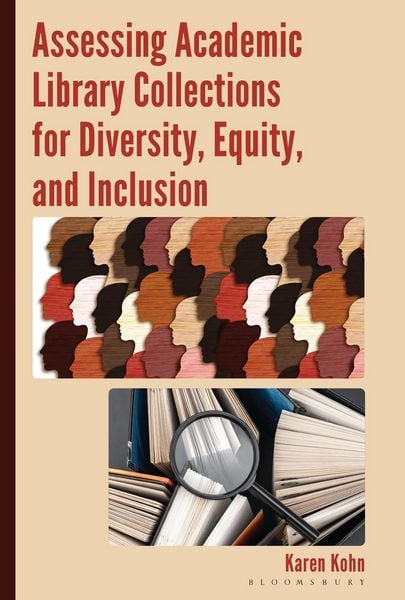
Assessing Academic Library Collections for Diversity, Equity, and Inclusion
-
- Taschenbuch
- eBook ausgewählt
-
Form:Einzelkauf Download
-
Sprache:Englisch
-
eBook Format:PDF
- ePUB 3 29,49 €
- PDF 29,49 € ausgewählt
29,49 €
inkl. gesetzl. MwSt.Beschreibung
Produktdetails
Format
Kopierschutz
Ja
Family Sharing
Nein
Text-to-Speech
Nein
Erscheinungsdatum
12.06.2025
Verlag
Bloomsbury eBooks USSeitenzahl
208 (Printausgabe)
Auflage
1. Auflage
Sprache
Englisch
EAN
9798765154229
This book provides a practical, step-by-step approach to designing and implementing evaluation projects targeting a variety of DEI goals in academic library collections.
Offering both flexibility and detailed guidance, this book begins with a discussion of aspects of diversity that librarians could target in their assessment projects and notes project planning considerations such as defining a scope and timeline. It particularly notes how larger academic libraries can narrow the scope of a project to make it feasible. Subsequent chapters explain different methods for assessing a collection, with many examples throughout.
Methods include:
- List-checking involves comparing the collection to a list of recommended books.
- Metadata searching produces a count of library holdings that contain certain subject headings or use specific call numbers.
- Diversity coding allows staff to create their own categories and assign them to books in a sample.
All three of these methods can be used to analyze the collection by subject matter. It is possible to use diversity coding to examine author identities as well, a sensitive endeavor for which this book provides both cautions and guidance. A fourth approach focuses on organizational efforts or inputs. This method involves tracking and reflecting on the library's progress towards goals the staff have set, which could involve a variety of collections-related activities, including staff development, changes to workflows, revising policies, or increasing outreach. The book describes advantages and limitations of the four methods, allowing librarians to make an informed choice of which to use. It also offers resources for implementing each of these strategies as well as guidance on creating one's own evaluation tools. Three chapters by guest authors provide examples of DEI assessment projects from academic libraries. A concluding chapter discusses sharing findings and suggests a range of changes libraries can make to their collecting practices.
Offering both flexibility and detailed guidance, this book begins with a discussion of aspects of diversity that librarians could target in their assessment projects and notes project planning considerations such as defining a scope and timeline. It particularly notes how larger academic libraries can narrow the scope of a project to make it feasible. Subsequent chapters explain different methods for assessing a collection, with many examples throughout.
Methods include:
- List-checking involves comparing the collection to a list of recommended books.
- Metadata searching produces a count of library holdings that contain certain subject headings or use specific call numbers.
- Diversity coding allows staff to create their own categories and assign them to books in a sample.
All three of these methods can be used to analyze the collection by subject matter. It is possible to use diversity coding to examine author identities as well, a sensitive endeavor for which this book provides both cautions and guidance. A fourth approach focuses on organizational efforts or inputs. This method involves tracking and reflecting on the library's progress towards goals the staff have set, which could involve a variety of collections-related activities, including staff development, changes to workflows, revising policies, or increasing outreach. The book describes advantages and limitations of the four methods, allowing librarians to make an informed choice of which to use. It also offers resources for implementing each of these strategies as well as guidance on creating one's own evaluation tools. Three chapters by guest authors provide examples of DEI assessment projects from academic libraries. A concluding chapter discusses sharing findings and suggests a range of changes libraries can make to their collecting practices.
Kundinnen und Kunden meinen
Verfassen Sie die erste Bewertung zu diesem Artikel
Helfen Sie anderen Kund*innen durch Ihre Meinung
Kurze Frage zu unserer Seite
Vielen Dank für Ihr Feedback
Wir nutzen Ihr Feedback, um unsere Produktseiten zu verbessern. Bitte haben Sie Verständnis, dass wir Ihnen keine Rückmeldung geben können. Falls Sie Kontakt mit uns aufnehmen möchten, können Sie sich aber gerne an unseren Kund*innenservice wenden.
zum Kundenservice