Beschreibung
Produktdetails
Einband
Gebundene Ausgabe
Erscheinungsdatum
15.01.2027
Herausgeber
Mary C. Foltz + weitereVerlag
University Press of MississippiSeitenzahl
288
Maße (L/B)
22,9/15,2 cm
Sprache
Englisch
ISBN
978-1-4968-6582-3
Contributions by Suzanne M. Edwards, Mary C. Foltz, Randi K. Gill-Sadler, Lauren Gilmore, Mahaliah Ayana Little, Michelle Loris, Maxine Lavon Montgomery, Kiana T. Murphy, Jennifer O’Reilly, Isaiah Frost Rivera, Elizabeth Rivlin, Annie Strausa, and Jennifer D. Williams
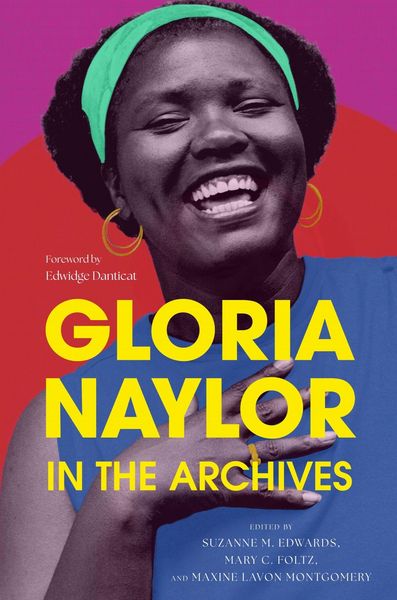
Although she is best known through her published novels, acclaimed author Gloria Naylor (1950–2016) also worked behind the scenes as an archivist, curating an expansive record of the cultural, professional, and personal influences relevant to her literary production. She preserved drafts of works-in-progress, research materials, correspondence with fans and literary luminaries, travel itineraries, journal entries, photographs, newspaper clippings, and ephemera. The Gloria Naylor Archive (GNA) was founded in 2009 when Gloria Naylor donated her collected papers to Sacred Heart University. It offers rich insights into her writing process, the intellectual histories with which she was in dialogue, and late twentieth-century global literary networks that inspired her creative production.
Gloria Naylor in the Archives examines how the archival sensibility in her novels connects with her own complementary curatorial praxis. Together, the essays in this volume position Naylor’s archival praxis as an integral part of her creative vision, important to understanding her interventions into twentieth-century intellectual and literary history. Connecting archival materials to her published novels, Gloria Naylor in the Archives excavates Naylor’s multifaceted strategies of historical recovery in her fiction and her private papers, exploring the varied ways in which they counter the erasure, silence, and misrepresentation of Black communities within institutional, state, and academic archives. In conversation with Naylor’s own record-keeping practices, her novels highlight the importance of archives developed, kept, and preserved by Black women in the service of emancipation.
Kundinnen und Kunden meinen
Verfassen Sie die erste Bewertung zu diesem Artikel
Helfen Sie anderen Kund*innen durch Ihre Meinung
Kurze Frage zu unserer Seite
Vielen Dank für Ihr Feedback
Wir nutzen Ihr Feedback, um unsere Produktseiten zu verbessern. Bitte haben Sie Verständnis, dass wir Ihnen keine Rückmeldung geben können. Falls Sie Kontakt mit uns aufnehmen möchten, können Sie sich aber gerne an unseren Kund*innenservice wenden.
zum Kundenservice