Beschreibung
Produktdetails
Einband
Taschenbuch
Erscheinungsdatum
25.07.2026
Verlag
Independently PublishedSeitenzahl
46
Maße (L/B/H)
22,9/15,2/0,3 cm
Gewicht
77 g
Sprache
Englisch
EAN
9798188573997
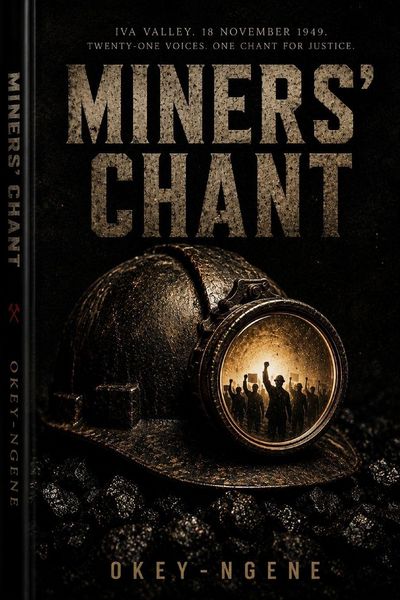
Set in the coal-mining town of Enugu, Nigeria, this historical drama unfolds against the backdrop of a country simmering with nationalist fervor. The year is 1949. British colonial rule is entrenched, but its foundations are beginning to crack. The Nigerian Coal Corporation, a government-owned enterprise, employs thousands of African miners who toil in hellish conditions-low pay, unpaid arrears, racial abuse, and squalid housing. The European supervisors live in comfortable quarters; the African workers live in overcrowded compounds. It is a system designed to exploit, and it works-until the miners decide they have had enough.
What follows is a tense, slow-burning confrontation. The miners, emboldened by the growing Zikist movement and tired of broken promises, submit a list of demands to the management. Their requests are modest: fair wages, payment of outstanding salaries, improved housing, and an end to the daily humiliations of racial discrimination. When the management flatly rejects these demands on November 1, the miners respond with a "go-slow" protest and later occupy the mine in a "stay-in" strike. They are not violent; they are simply unwilling to work until their grievances are addressed. But the colonial authorities see resistance, not reason. On the morning of November 18, a detachment of armed police descends upon the Iva Valley mine. The first bullet strikes a miner. He dies instantly. More shots follow as miners flee in terror, many shot in the back. When the smoke clears, 21 men are dead and 51 are wounded. The dead are not soldiers or rebels; they are husbands, fathers, brothers-working men who wanted nothing more than to be treated with dignity. The massacre sends shockwaves across Nigeria. Trade unions mobilize, nationalist leaders condemn the brutality, and public anger reaches a boiling point. The colonial government tries to contain the damage, arresting strike leaders and circulating its own version of events, but the truth cannot be buried. The Iva Valley killings become a rallying cry for independence, exposing the moral bankruptcy of colonial rule. Eleven years later, Nigeria would be free. This play does not shy away from the horrors of that day, nor does it reduce the miners to mere symbols of suffering. Instead, it gives them faces, voices, and stories. It reminds us that the fight against oppression is rarely neat or easy, and that the price of dignity is often paid in blood. Above all, it is a testament to the resilience of ordinary people-and a warning to those who would silence them.Noch keine Bewertungen vorhanden
Verfassen Sie die erste Bewertung zu diesem Artikel
Helfen Sie anderen Kundinnen und Kunden durch Ihre Meinung.
Kurze Frage zu unserer Seite
Vielen Dank für Ihr Feedback
Wir nutzen Ihr Feedback, um unsere Produktseiten zu verbessern. Bitte haben Sie Verständnis, dass wir Ihnen keine Rückmeldung geben können. Falls Sie Kontakt mit uns aufnehmen möchten, können Sie sich aber gerne an unseren Kund*innenservice wenden.
zum Kundenservice